Court allows road widening near Madayikavu Bhagavathy Temple with strict environmental safeguards, afforestation measures, and oversight.
In a landmark judgment, the Kerala High Court has given the green light to the controversial road widening project near the Madayikavu Bhagavathy Temple, while simultaneously emphasizing the importance of environmental conservation. The project, which aims to expand the road from 3.5 meters to 8.5 meters, had raised concerns about its potential impact on the unique biodiversity of Madayipara, an ecologically sensitive plateau in Kannur district.
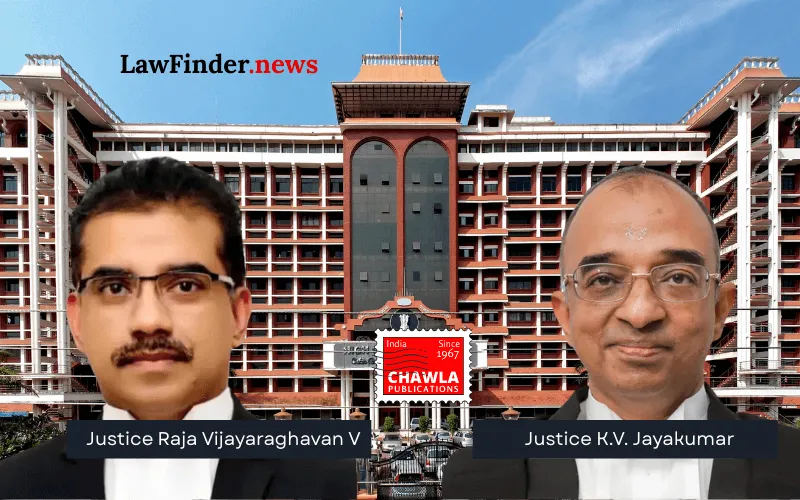
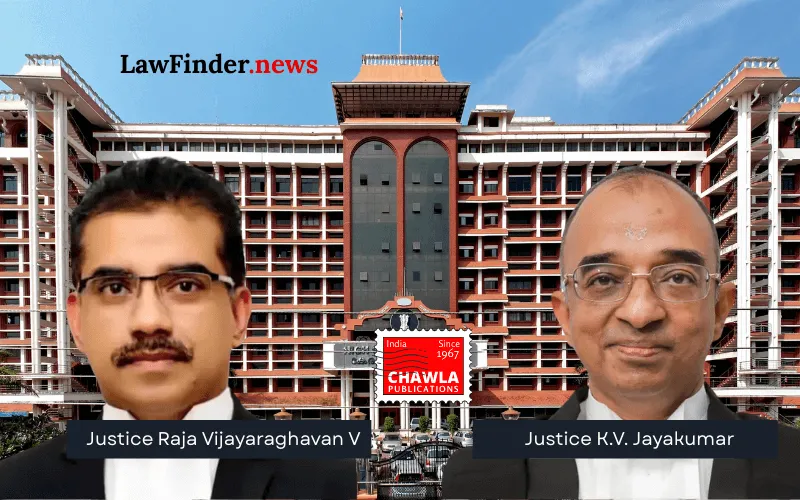
Presided over by Justices Raja Vijayaraghavan V. and K.V. Jayakumar, the bench was tasked with addressing the petitions filed by Vijesh C.K. and Bachi Sulaimantakath Sameera. The petitioners argued that the road widening would encroach upon temple land and adversely affect the area's biodiversity. However, the court concluded that the project, if carried out responsibly, would not pose a substantial threat to Madayipara’s ecology.
Drawing on precedents such as the Supreme Court's rulings in the cases of NHAI v. Pandarinathan Govindarajulu and Auroville Foundation v. Navroz Kersasp Mody, the bench reiterated the principle of sustainable development, stating that economic growth must be balanced with environmental preservation.
In its judgment, the court specified several directives to ensure environmental protection, including afforestation measures. The Public Works Department (PWD) and associated contractors are required to plant at least 400 indigenous trees, under the guidance of the Divisional Forest Officer. The court also mandated the development of a comprehensive afforestation scheme by the Forest Department to preserve Madayipara’s biodiversity.
Moreover, the court clarified that the temporary surrender of temple land for the road project does not necessitate prior sanction under Section 29 of the Madras Hindu Religious & Charitable Endowments Act, as no transfer of property ownership is involved.
The court's decision underscores the necessity for projects to harmonize development with ecological stewardship, setting a precedent for future infrastructure endeavors in sensitive areas. The case is scheduled for a compliance review on July 16, 2026, where the court will assess adherence to its environmental directives.
Bottom Line:
Proposed road widening near Madayikavu Bhagavathy Temple to balance development and environmental protection - Temporary surrender of temple land for public benefit does not constitute a transfer requiring sanction under Section 29 of the Madras HR & CE Act.
Statutory provision(s): Environmental Law, Madras Hindu Religious & Charitable Endowments Act, 1951, Section 29, Article 226 of the Constitution of India.
Vijesh C.K. v. State of Kerala, (Kerala)(DB) : Law Finder Doc id # 2874737