Foetus Recognized as Independent Life, Claimants Entitled to Additional Rs. 8 Lakh for Foetus' Death
In a landmark judgment, the Allahabad High Court has recognized a foetus as an independent life for the purpose of compensation under the Railways Act, 1989. The court awarded an additional compensation of Rs. 8,00,000 to the claimants for the loss of a foetus in a railway accident, treating it as equivalent to the death of a child.
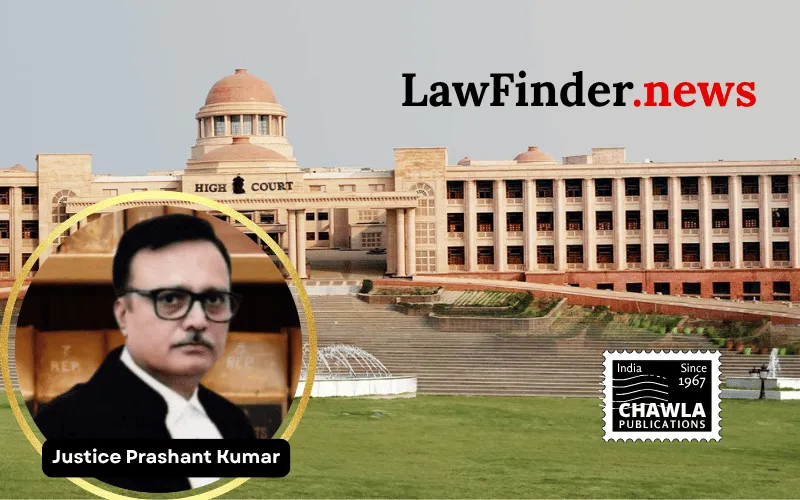
The judgment was delivered by Justice Prashant Kumar in the case of Shri Sukhnandan v. Union of India. The case involved an unfortunate incident where Smt. Bhanmati, a bona fide passenger, died after falling from a train at Barabanki Railway Station. At the time of her death, she was carrying a male foetus of about 8-9 months, which also expired along with her.
Initially, the Railway Claims Tribunal awarded Rs. 8,00,000 for Bhanmati's death but did not compensate for the foetus. This decision was challenged, and the High Court ruled that the foetus, being more than five months old, could be treated as a child in existence for compensation purposes.
The court cited various precedents, including judgments from the Karnataka, Madhya Pradesh, and Andhra Pradesh High Courts, which supported the view that an unborn child could be considered a person eligible for compensation. The court emphasized that the rights of a child in the womb are protected under Indian law, and the loss of a foetus is akin to the loss of a child.
The ruling marks a significant development in the recognition of foetal rights in compensation claims, setting a precedent for similar cases in the future.
Bottom Line:
Compensation for loss of foetus in railway accident - Foetus treated as a child for compensation purposes - Claimants entitled to additional compensation for foetus' death.
Statutory provision(s): Railways Act, 1989 Section 124A, Railway Accidents and Untoward Incidents (Compensation) Rules, 1990
Shri Sukhnandan v. Union of India, (Allahabad)(Lucknow) : Law Finder Doc id # 2869542