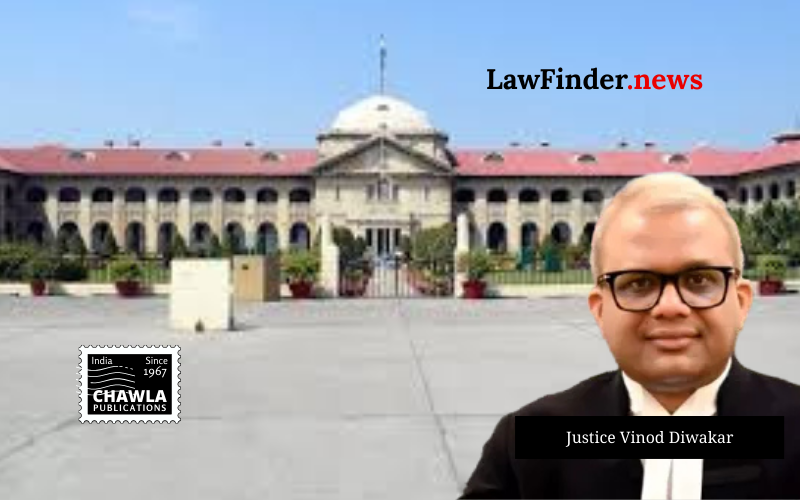
Court Seeks Comprehensive Records to Safeguard Justice System Integrity Amid Rising Concerns
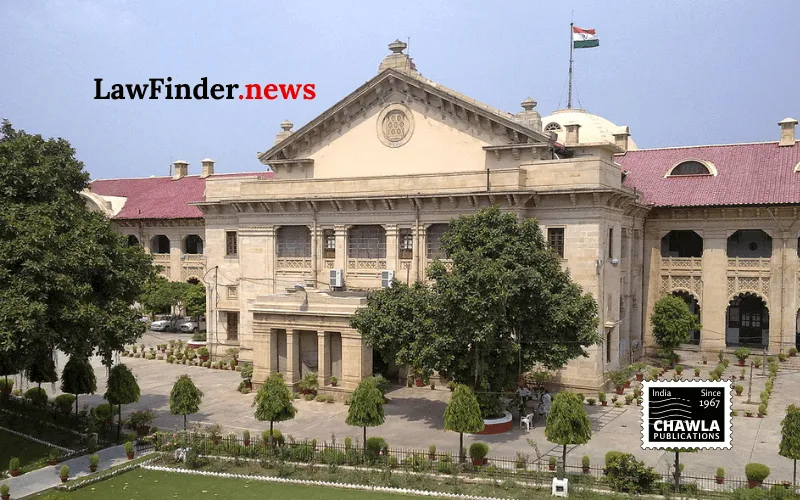
In a significant move aimed at safeguarding the integrity of the legal profession, the Allahabad High Court has directed the compilation of comprehensive data regarding criminal cases against advocates enrolled with the Bar Council of Uttar Pradesh. The directive, issued by Justice Vinod Diwakar, highlights concerns over the influence of advocates with criminal backgrounds on the justice delivery system.
The judgment arose from a petition filed by Mohammad Kafeel against the State of Uttar Pradesh. The petitioner, a practicing advocate, is embroiled in multiple criminal cases alongside his brothers, all of whom have been identified as hardened criminals by the police. The court expressed apprehension about the potential threat posed by advocates with criminal antecedents to the rule of law and public confidence in the judicial system.
The court underscored the importance of the legal profession's integrity, pointing out that advocates and office-bearers of Bar Associations hold influential positions that are crucial for upholding the rule of law. The judgment emphasized that while every individual is presumed innocent until proven guilty, their conduct and criminal antecedents can impact their professional integrity and the justice system's credibility.
Invoking its supervisory powers under Article 227 of the Constitution, the court mandated the collection and submission of detailed data on criminal cases involving advocates. This data, to be furnished by the Director General of Police and the Director General of Police (Prosecution), is expected to provide insights into the prevalence of criminal activities among legal professionals and help devise measures to prevent any potential misuse of authority.
The court's directive is a response to the growing concern over advocates with criminal backgrounds holding positions of authority within District Bar Associations, potentially exerting undue influence over judicial processes. The information sought includes details such as the date of FIR registration, current investigation status, and trial progress.
The judgment reflects the judiciary's commitment to ensuring that the legal system remains untainted by criminal influences, thereby preserving public confidence. The court has set a deadline for the submission of this data, with further proceedings scheduled for December 9, 2025.
Bottom Line:
Advocates with criminal antecedents - Court expresses concern over the influence of advocates with criminal backgrounds on the justice delivery system - Seeks comprehensive data on criminal cases against advocates enrolled with the Bar Council of Uttar Pradesh to ensure the integrity of the legal system.
Statutory provision(s): Article 227 of the Constitution of India, Sections 506, 504, 323, 120-B, 384, 406, 420, 467, 468, 471 IPC, U.P. Gangsters Act, Prevention of Cow Slaughter Act, Public Gambling Act, POCSO Act, Arms Act, Bharatiya Nagarik Suraksha Sanhita (BNSS).
Mohammad Kafeel v. State of U.P., (Allahabad) : Law Finder Doc Id # 2816463