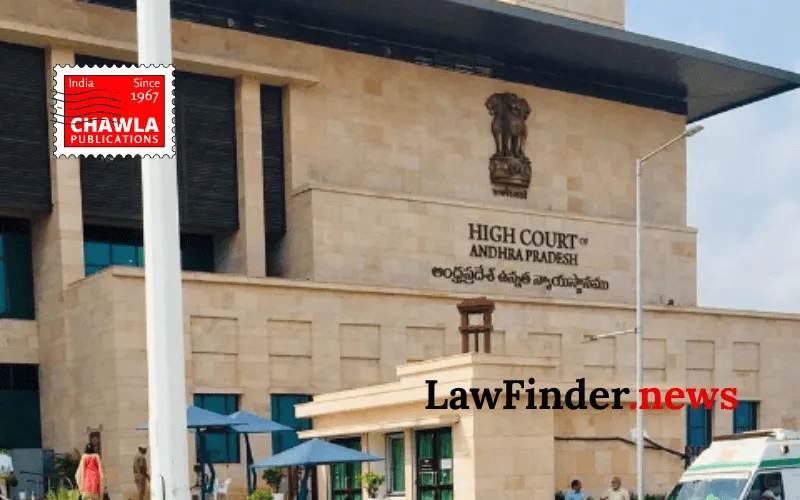
Court summons top state officials, demands structured rehabilitation and compensation framework for victims
In a significant development, the Allahabad High Court has taken a strong stance against the Uttar Pradesh Government for its failure to formulate a comprehensive policy for the rehabilitation and compensation of acid attack survivors. The court has expressed its dissatisfaction over the state's lackadaisical approach in addressing the severe and lifelong consequences faced by these victims.
In the case titled "Faraha v. State of U.P.," the petitioner, an acid attack survivor, sought enhanced compensation and employment in a government establishment. The court, presided over by Justices Saral Srivastava and Garima Prashad, reiterated the state's constitutional obligation under Article 21 of the Indian Constitution to ensure meaningful rehabilitation for acid attack survivors.
The court referenced the Supreme Court's guidelines in the landmark cases of Laxmi v. Union of India and Parivartan Kendra v. Union of India, which emphasized the need for adequate compensation, medical treatment, counselling, and social reintegration for acid attack victims. Despite these directives, the court noted that the state had not yet implemented a concrete policy framework.
During the proceedings, the court highlighted the inadequacy of the Rs. 6 lakh compensation provided to the petitioner, who was only 24 years old at the time of the attack. The court stressed that compensation should not be confined to rigid or symbolic amounts but should account for lifelong medical treatment, reconstructive surgeries, social stigma, and loss of normal life.
Expressing frustration over the state's inaction, the court has now summoned the Principal Secretary (Home) and Principal Secretary, Department of Women and Child Welfare, Uttar Pradesh, to appear in person on May 25, 2026. The court has directed these officials to present a detailed policy framework that includes mechanisms for medical treatment, education, employment assistance, and rationalized compensation.
The court's decision underscores the urgent need for state governments to prioritize the welfare of acid attack survivors, ensuring they receive the support necessary to lead dignified lives. As the court awaits the state's response, this case serves as a crucial reminder of the ongoing challenges faced by survivors and the critical role of the judiciary in upholding their rights.
Bottom Line:
Acid attack survivors face lifelong physical, psychological, and social challenges. The State is obligated not only to prosecute offenders but also to ensure comprehensive rehabilitation, medical support, and dignified reintegration into society under Article 21 of the Constitution of India.
Statutory provision(s): Article 21 of the Constitution of India
Faraha v. State of U.P., (Allahabad)(DB) : Law Finder Doc id # 2901894