Involving NGOs, Lawyers, and Public in Identifying and Assisting Destitutes through Dedicated Helplines
In a landmark decision by the Allahabad High Court, significant measures have been mandated to address the plight of destitutes across the state of Uttar Pradesh. In the case of Jyoti Rajpoot v. State of U.P., the court has directed the state government to implement a multi-faceted approach involving non-governmental organizations (NGOs), civil defence personnel, public spirited individuals including lawyers, and law students to ensure effective identification and rehabilitation of destitutes.
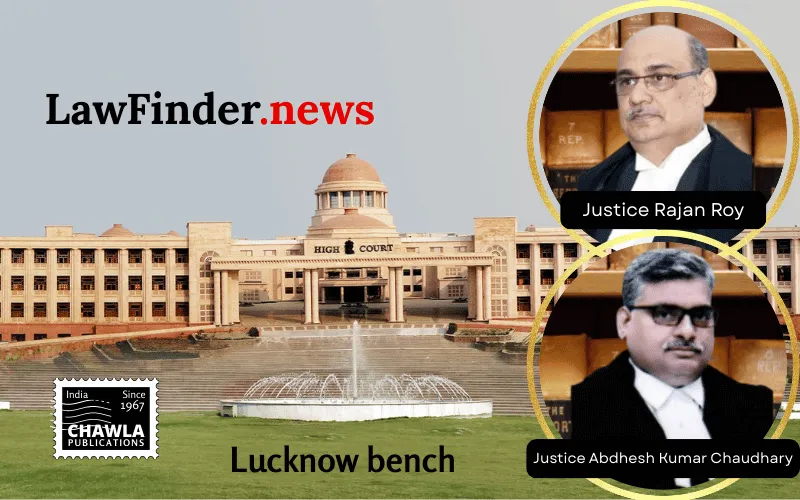
The bench comprising Justices Rajan Roy and Abdhesh Kumar Chaudhary emphasized the need for a more structured and inclusive approach, highlighting the limitations faced by government officials in executing this extensive task alone. The court acknowledged that while an 11-member Task Force was established by the state on December 24, 2025, the frequency of their operations was limited, underscoring the need for broader participation from various societal sectors.
The judgment outlines several key directives: the involvement of NGOs and civil defence, the utilization of law students and lawyers, and the establishment of dedicated helplines to report and assist destitutes. Specifically, at least four helpline numbers will be publicized to facilitate public reporting and intervention by authorities.
Furthermore, the court has instructed the appointment of a Nodal Officer at the district level to coordinate efforts among stakeholders, ensuring smooth implementation and collaboration among various groups. The court also mandated the creation of a comprehensive policy or measures to enhance this initiative's efficiency and effectiveness, with an expectation of a tangible road map to be presented in the next hearing.
The decision reflects the court's recognition of the critical need for societal involvement in addressing the issue of destitution, urging public spirited individuals, particularly lawyers, to volunteer their services. The court has also encouraged collaboration with Bar Associations to further this cause.
The next hearing is scheduled for February 23, 2026, where the court expects detailed affidavits outlining the progress and plans for the initiative from the relevant departments, including the Director of Women Welfare and Director of Social Welfare, who will attend via video conferencing.
This judgment marks a significant step towards a more inclusive and proactive approach in tackling the challenges faced by destitutes, calling upon society at large to contribute to this humanitarian effort.
Bottom Line:
Public Interest Litigation - Measures for identification and rehabilitation of destitutes in the State of Uttar Pradesh - Involvement of non-governmental organizations, civil defence, public spirited persons, law students, and lawyers suggested to make the efforts more effective.
Statutory provision(s): Public Interest Litigation.
Jyoti Rajpoot v. State of U.P., (Allahabad)(Lucknow)(DB) : Law Finder Doc Id # 2844887