The court emphasizes legislative jurisdiction over banning caste rallies, urging the enforcement of existing laws.
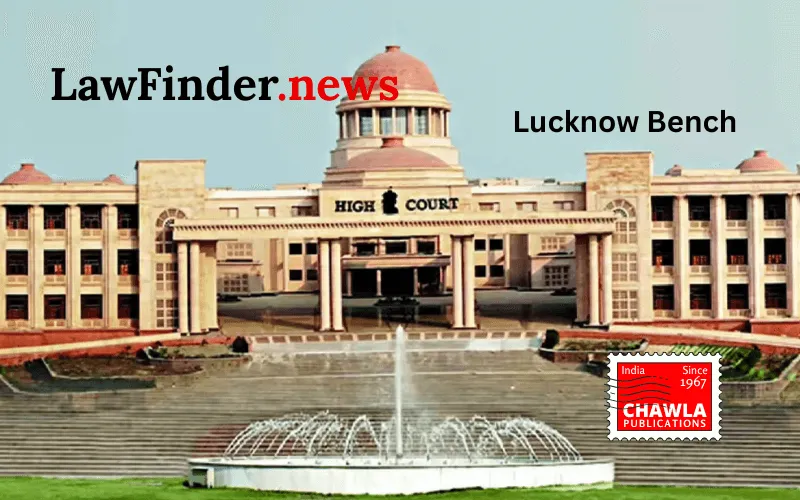
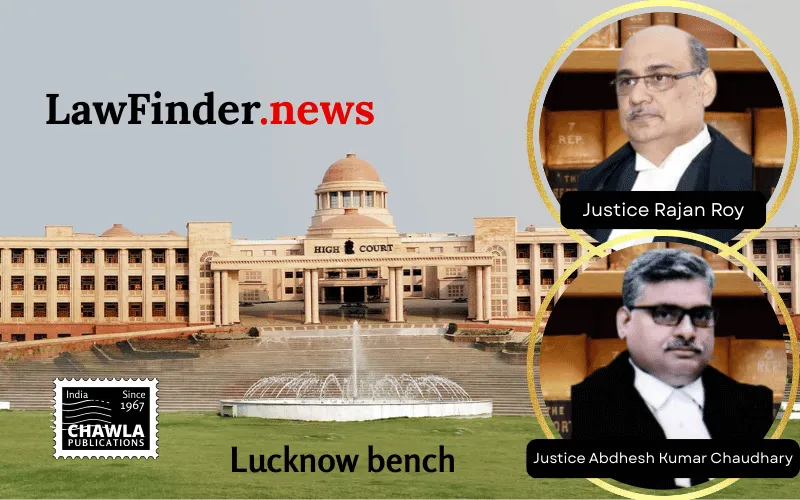
In a significant ruling, the Allahabad High Court, Lucknow Bench, dismissed a Public Interest Litigation (PIL) filed by Moti Lal Yadav, which sought a ban on caste-based political rallies and other related reliefs. The court, comprising Justices Rajan Roy and Abdhesh Kumar Chaudhary, delivered the judgment on January 19, 2026, underscoring the limitations of the Election Commission's powers and the need for legislative action.
The petitioner, Moti Lal Yadav, argued for the prohibition of caste rallies organized by political parties and sought the cancellation of registrations of parties found guilty of such practices. The court noted that while the Election Commission of India has guidelines in place during elections, including the Model Code of Conduct, the complete banning of caste-based political activities falls under legislative jurisdiction. Currently, no legal provisions exist to enforce such bans outside election periods.
The court reiterated that the Election Commission's authority is limited to the electoral process, where it can enforce the Model Code of Conduct and take actions such as suspension or withdrawal of party recognition. However, de-registration of political parties is beyond its remit, except under specific exceptions like fraud, as per the Supreme Court's judgment in Indian National Congress v. Institute of Social Welfare.
The judgment also highlighted the U.P. Government's order banning caste-based rallies during non-election periods as a preventive measure against societal division. The court encouraged the legislature to consider amending the Representation of the People Act to provide clearer guidelines and empower the Election Commission further, even during non-election periods.
The court appreciated the recommendations by the amicus curiae for legislative reforms, emphasizing the need for clarity in defining prohibited caste appeals and strengthening political party accountability. It suggested that the petitioner and the amicus could present these suggestions to the legislative authorities.
In conclusion, the court emphasized the importance of implementing existing laws effectively and called for inculcating proper values in society to curb divisive politics. The judgment serves as a reminder of the roles of various governmental bodies and the ongoing need for legislative and societal efforts to address caste-based political practices.
Bottom Line:
PIL seeking a ban on caste-based political rallies and other related reliefs dismissed by the Court, emphasizing the role of the legislature and enforcement of existing laws.
Statutory provision(s): Representation of The People Act, 1951 Section 123(3), 8A, 100; Article 324 of the Constitution of India; The Election Symbols (Reservation and Allotment) Order, 1968.