Court Upholds Magistrate's Prima Facie Opinion in Social Media Post Case Alleging Outrage of Religious Feelings
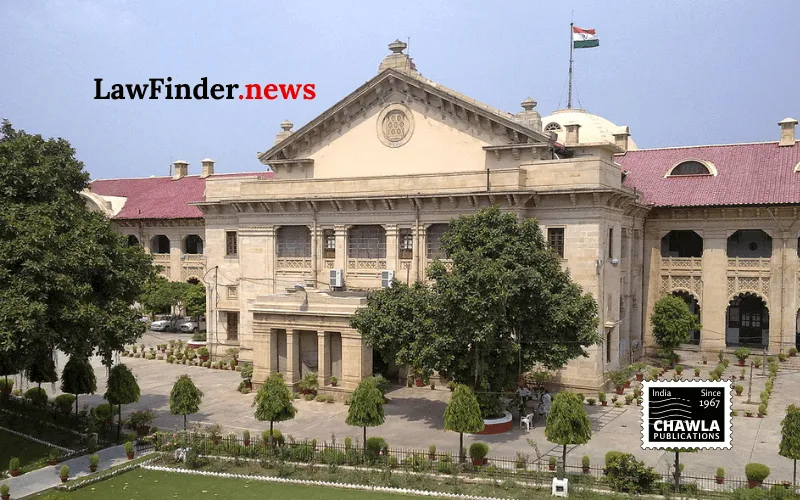
In a significant ruling, the Allahabad High Court has dismissed an application seeking to quash the charge sheet and summoning order against Manish Tiwari in a case involving allegations of outraging religious feelings through a social media post. The judgment, delivered by Justice Saurabh Srivastava on December 2, 2025, emphasized the need for caution in exercising inherent powers under Section 528 of the Bharatiya Nyaya Sanhita, 2023, and upheld the magistrate's decision to summon Tiwari based on a prima facie opinion.
The case arose from a First Information Report (FIR) lodged by a Sub-Inspector from PS- Chopan, District Sonbhadra, accusing Tiwari of making a Facebook post against the Prophet Muhammad, which allegedly hurt the religious sentiments of the Muslim community. Following the investigation, a charge sheet was filed, and the Chief Judicial Magistrate of Sonbhadra took cognizance of the offense on July 3, 2025, leading to Tiwari's summoning.
Tiwari's counsel, Ruby Goutam, argued that the magistrate failed to apply judicial mind, and contended that the offending post was made by someone else using Tiwari's mobile number. The defense sought to have the proceedings quashed, arguing that no offense was made out against Tiwari and that he was falsely implicated.
However, the court found that the words used in the post indicated a deliberate and malicious intention to outrage religious feelings. Justice Srivastava stated that at the summoning stage, a magistrate is not expected to conduct a mini-trial or assess the defense of the accused but rather to form a prima facie opinion based on available material.
Citing precedents from the Supreme Court, including S.W. Palanitkar v. State of Bihar and Nupur Talwar v. Central Bureau of Investigation, the judgment reiterated that the test at the summoning stage is whether there is sufficient ground to proceed, not whether there is sufficient ground for conviction.
The court stressed that inherent powers under Section 528 BNSS are to be used sparingly, primarily to prevent abuse of the judicial process or to secure justice. In this case, the court found no sufficient grounds to invoke its extraordinary jurisdiction and thus dismissed the application.
Bottom Line:
Magistrate, at the stage of summoning, is required to form a prima facie opinion based on the material on record and is not expected to hold a mini-trial or examine the defence of the accused.
Statutory provision(s): Bharatiya Nyaya Sanhita, 2023 Section 528
Manish Tiwari v. State of U.P., (Allahabad) : Law Finder Doc Id # 2821387