Accused Express Remorse, Promise Compliance During Trial, Court Imposes Strict Conditions
In a significant ruling, the Allahabad High Court granted bail to Mohd Azad Ali and others involved in a case of alleged communal disharmony. The accused were charged with desecrating the River Ganges during a Roza Iftar party and uploading a video of the incident on social media, sparking widespread outrage.
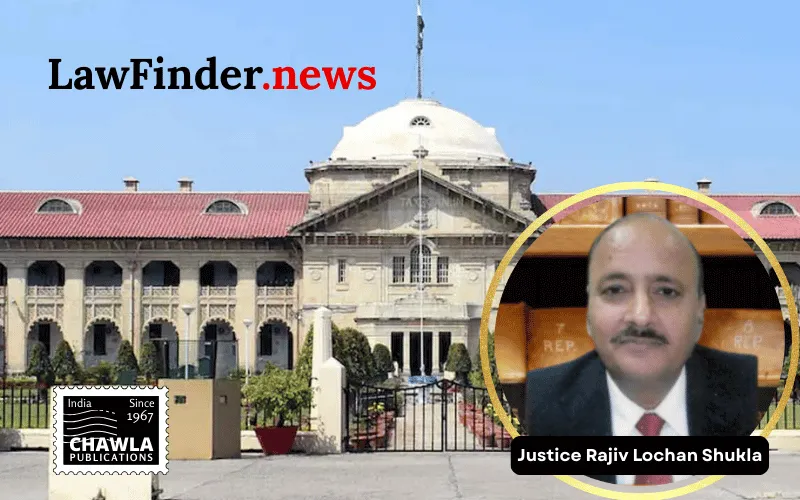
Justice Rajiv Lochan Shukla, presiding over the case, acknowledged the communal tensions the incident had caused but considered the sincere remorse expressed by the accused and their undertaking not to repeat such actions in the future. The court noted that none of the accused had prior criminal records and had already been detained since March 17, 2026.
The court imposed several conditions on the bail to ensure the accused cooperate with the ongoing trial and do not engage in any further criminal activities. These conditions include regular court appearances, non-tampering with evidence, and refraining from intimidating witnesses.
During the proceedings, the Additional Advocate General opposed the bail, emphasizing the gravity of the incident and its impact on public order. However, the court decided that continued detention was unnecessary for the investigation and that the accused's regret and commitment to abide by the law warranted their release.
This decision highlights the court's effort to balance the need for maintaining communal harmony with the rights of individuals awaiting trial. It also underscores the judiciary's role in ensuring that remorse and the absence of criminal intent are considered in the adjudication process.
The accused's release is contingent upon their compliance with all bail conditions, with the court retaining the authority to revoke bail if any conditions are breached.
Bottom Line:
Bail granted to accused involved in communal disharmony case upon expressing remorse and undertaking not to repeat the offense, with specific conditions imposed to ensure compliance and cooperation during trial.
Statutory provision(s): Bharatiya Nyaya Sanhita, 2023 Sections 298, 299, 308(5), Information Technology Act, 2000 Section 67, Water (Prevention and Control of Pollution) Act, 1974 Section 24
Mohd Azad Ali v. State of U.P., (Allahabad) : Law Finder Doc id # 2900084