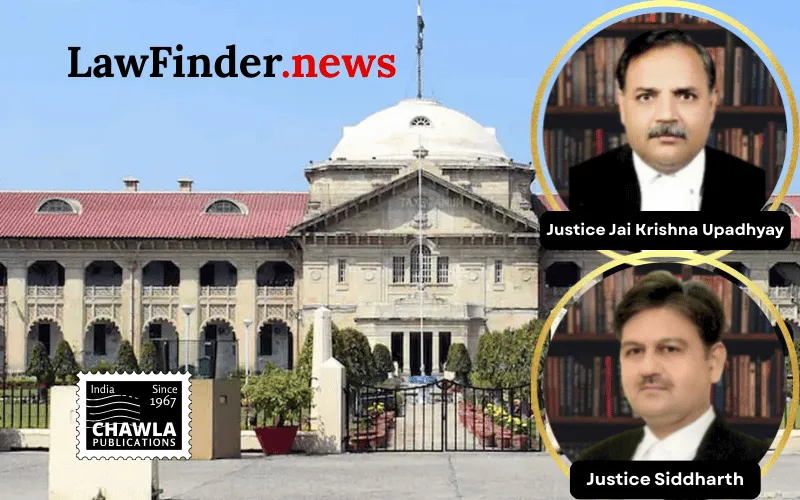
Habeas Corpus Petition Succeeds as Court Finds Violation of Constitutional and Procedural Safeguards During Arrest
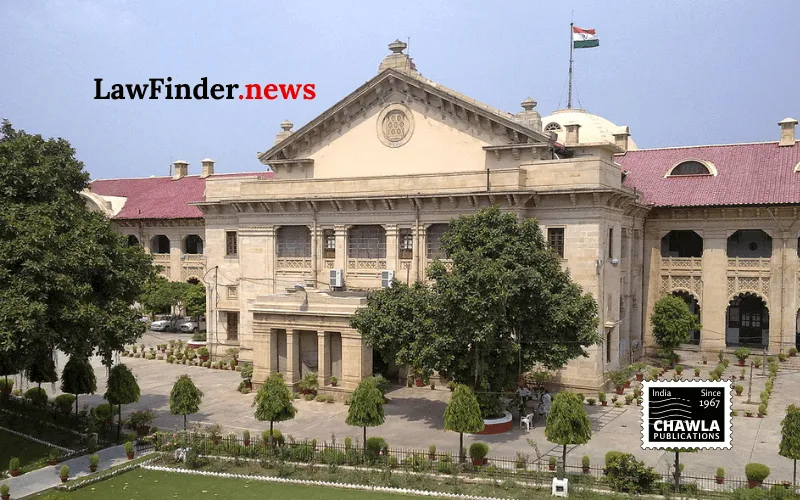
In a significant judgment, the Allahabad High Court has ordered the immediate release of Umang Rastogi, who was found to have been illegally detained by the Uttar Pradesh Police. The Division Bench, comprising Justices Siddharth and Jai Krishna Upadhyay, highlighted non-compliance with constitutional mandates and procedural requirements under the Bharatiya Nagarik Suraksha Sanhita, 2023, leading to the quashing of Rastogi's arrest and subsequent remand.
The habeas corpus writ petition was filed by Umang Rastogi's legal counsel, Raghav Dev Garg, challenging the legality of the arrest which was executed without providing necessary grounds or evidence to the accused, thereby breaching Article 22(1) of the Constitution of India. The arrest memo failed to meet the directives as per Sections 47 and 48 of the Bharatiya Nagarik Suraksha Sanhita.
The court's decision emphasized the necessity for strict adherence to arrest memo requirements, which mandate detailed disclosure of material evidence and justification for the arrest. The judgment also directed the Director General of Police, Uttar Pradesh, to ensure compliance with these procedural mandates, treating any non-compliance as a serious breach of duty warranting departmental action.
Bottom Line:
Habeas Corpus - Illegal arrest - Non-compliance with the constitutional mandate under Article 22(1) and provisions of the Code of Criminal Procedure / Bharatiya Nagarik Suraksha Sanhita, 2023 (B.N.S.S.) - Arrest found to be illegal due to failure to inform the grounds of arrest and material evidence to the arrestee.
Statutory provision(s): Article 22(1) of the Constitution of India, 1950; Section 50 and 50A of Code of Criminal Procedure; Sections 47 and 48 of Bharatiya Nagarik Suraksha Sanhita, 2023
Umang Rastogi v. State of U.P., (Allahabad)(DB) : Law Finder Doc Id # 2843060