Court reinforces the necessity of procedural fairness, dismisses appeal citing lack of prejudice in non-supply of inquiry report
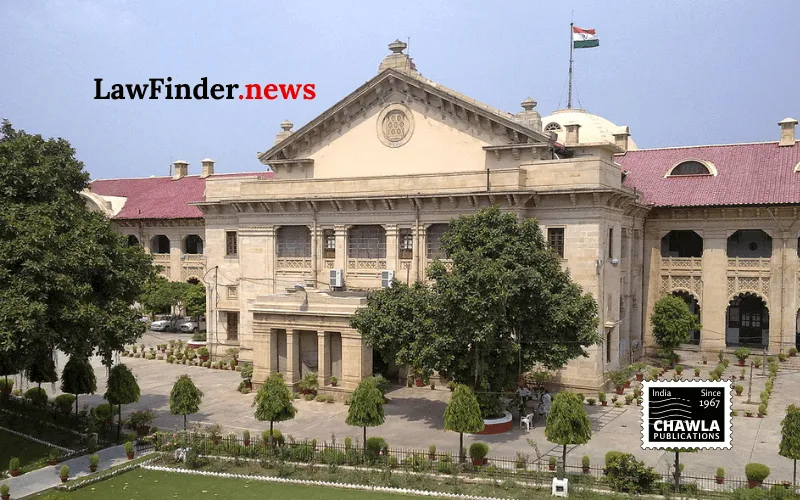
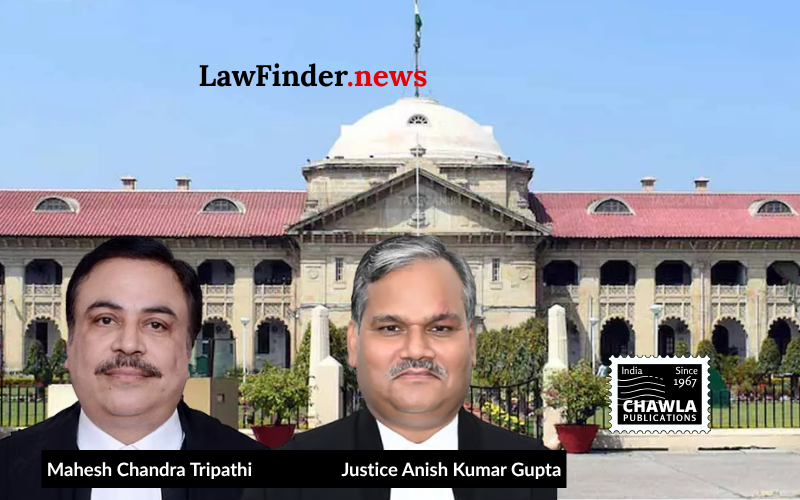
The Allahabad High Court has upheld the dismissal of Ramesh Chandra Malviya, a former storekeeper, in a significant case of financial misappropriation involving the UP Power Corporation Limited. The Division Bench, comprising Justices Mahesh Chandra Tripathi and Anish Kumar Gupta, delivered the judgment on November 28, 2025, dismissing Malviya's special appeal against the decision of a single judge.
Malviya's employment was terminated following allegations of embezzlement amounting to over Rs. 186.603 lakhs. He was accused of failing to account for substantial quantities of goods at the Sahupuri Godown, Varanasi, which he allegedly acknowledged receiving. The inquiry found that goods valued at Rs. 1,49,62,868 and additional items worth Rs. 7,23,799 were missing, with some items recorded as excess.
In his appeal, Malviya contended that he was not provided with a copy of the inquiry report prior to his dismissal, contravening principles established by the Supreme Court in Managing Director, ECIL, Hyderabad v. B. Karunakar. He argued that this omission constituted a breach of natural justice and procedural fairness, which should invalidate the disciplinary proceedings.
The High Court, however, found that the inquiry report was furnished to Malviya during the court proceedings through a counter affidavit, and he failed to demonstrate any prejudice resulting from the initial non-supply. The court emphasized that procedural lapses do not automatically lead to invalidation of disciplinary actions unless prejudice is clearly established. The judges noted that the findings of guilt were based on substantial material evidence and that the appellant's explanations failed to inspire confidence.
The court also reiterated the limited scope of interference in intra-court appeals, stating that such interference is unwarranted unless clear infirmities or perversities are evident in the impugned judgment. The court concluded that no such infirmities were found, thereby upholding the dismissal.
The ruling underscores the importance of procedural fairness in disciplinary proceedings while also clarifying the conditions under which non-supply of inquiry reports may not impact the validity of disciplinary actions if no prejudice is shown.
Bottom Line:
Service Law - Supply of the inquiry report before disciplinary action is a mandatory procedural requirement, but in cases where the inquiry report is made available to the delinquent employee during legal proceedings, the failure to supply it earlier does not necessarily vitiate the proceedings unless prejudice is proven.
Statutory provision(s): Article 311 of the Constitution of India, U.P. State Electricity Board (Officers and Servants) (Conditions of Service) Regulations, 1975, U.P. Disciplinary and Appeal Rules, 1999
Ramesh Chandra Malviya v. State of U.P., (Allahabad)(DB) : Law Finder Doc Id # 2815721