Court emphasizes independent scrutiny and public interest over State Government's directive in a case involving serious allegations of caste-based abuses and cheating.
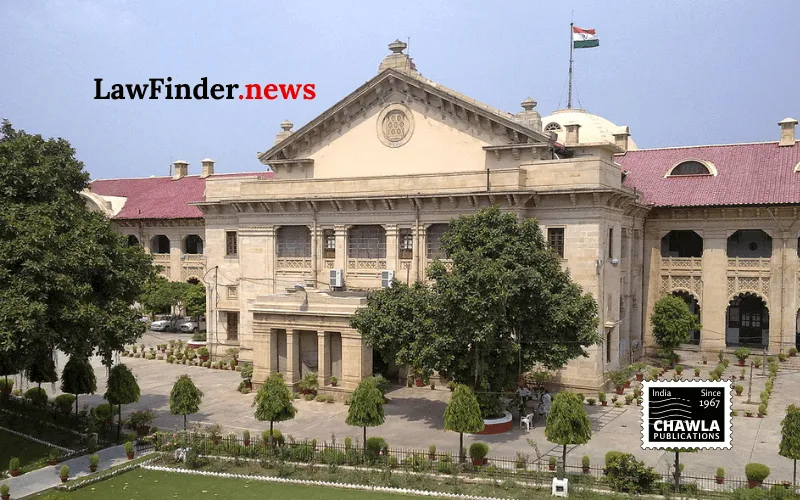
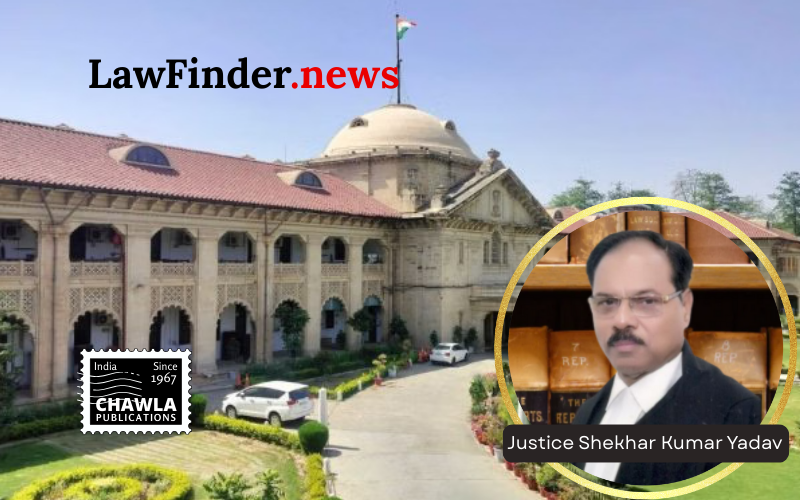
In a significant ruling, the Allahabad High Court dismissed a criminal appeal challenging the decision of a Special Judge to reject the withdrawal of prosecution in a case involving allegations of caste-based abuses and cheating under the Scheduled Castes and Scheduled Tribes (Prevention of Atrocities) Act, 1989. The appeal, titled "Chhote Lal Kushwaha v. State of U.P.," was heard by Justice Shekhar Kumar Yadav, who upheld the lower court's decision, stressing the necessity for independent judicial scrutiny and the application of mind by the Public Prosecutor.
The case stemmed from an incident where the complainant accused the appellants of cheating her by taking Rs. 80,000 to arrange a visa and employment for her husband in Qatar, which allegedly turned out to be invalid. When confronted for a refund, the complainant claimed she faced caste-based abuses and threats from the appellants. The State Government, through a communication in January 2024, directed the withdrawal of the case, prompting the Public Prosecutor to file an application under Section 321 of the Criminal Procedure Code (Cr.P.C.) for withdrawal, which was ultimately rejected by the Special Judge.
The High Court's judgment emphasized that the mere intention of the State Government does not compel the court to allow the withdrawal of prosecution. Citing Supreme Court precedents, Justice Yadav highlighted that any withdrawal must align with public interest and ensure justice, particularly in cases under the SC/ST Act, which involve vulnerable sections of society. The judgment reiterated that a change in government policy cannot override the judicial process, which must independently assess the merits of continuing prosecution.
The court also noted that the allegations were prima facie supported by evidence, and the trial court's decision to proceed with the case was in consonance with legal principles aimed at protecting the rights of victims. This decision underscores the judiciary's role in maintaining the balance between executive directives and judicial oversight, ensuring that justice is not compromised.
With this ruling, the High Court has set a precedent emphasizing the importance of judicial independence in the withdrawal of prosecutions, particularly in sensitive cases involving allegations of atrocities against Scheduled Castes and Scheduled Tribes. The court has directed the trial to proceed expeditiously, concluding it preferably within six months.
Bottom Line:
Withdrawal of prosecution under Section 321 Cr.P.C. in cases involving the Scheduled Castes and Scheduled Tribes (Prevention of Atrocities) Act, 1989 requires independent application of mind by the Public Prosecutor and judicial scrutiny by the Court. Mere expression of intention by the State Government does not bind the Court.
Statutory provision(s):
- Scheduled Castes and Scheduled Tribes (Prevention of Atrocities) Act, 1989 Section 14A(1), Criminal Procedure Code, 1973 Section 321, IPC Sections 420, 406, 504, 506, 188, Disaster Management Act Section 51(b).
Chhote Lal Kushwaha v. State of U.P., (Allahabad) : Law Finder Doc Id # 2821865