Supreme Court Reinstates Trial Court's Decision, Bars Additional Written Statement in Civil Dispute, Supreme Court overrules Calcutta High Court, restoring the Trial Court's order against a defendant's contradictory claim in property possession case.
In a significant ruling, the Supreme Court of India has set aside a decision by the Calcutta High Court, reinstating the order of the City Civil Court at Calcutta. The apex court disallowed the filing of an additional written statement by the defendant, Chaitali Ghosh, in an ongoing property dispute case, thereby restoring the Trial Court's original order.
The case, titled Mondira Ghosh v. Chaitali Ghosh, revolved around a dispute over the lawful possession of a suit premises. The plaintiff, Mondira Ghosh, sought a declaration of unlawful possession against the defendant, Chaitali Ghosh, along with eviction, damages, and costs.
Initially, in her written statement, the defendant claimed to be a bona fide co-sharer of the property. However, during the trial, she sought to change her stance, asserting tenancy under the plaintiff through an additional written statement. The Trial Court had rejected this application, deeming it an abuse of process and contrary to the mandates of the Civil Procedure Code, specifically under Order 6, Rule 7, and the proviso to Order 6, Rule 17, which bar the introduction of inconsistent pleadings after the commencement of the trial.
Aggrieved by the Trial Court's decision, the defendant approached the Calcutta High Court. The High Court, in its judgment dated September 3, 2025, allowed the additional written statement on the condition of costs, leading the plaintiff to appeal to the Supreme Court.
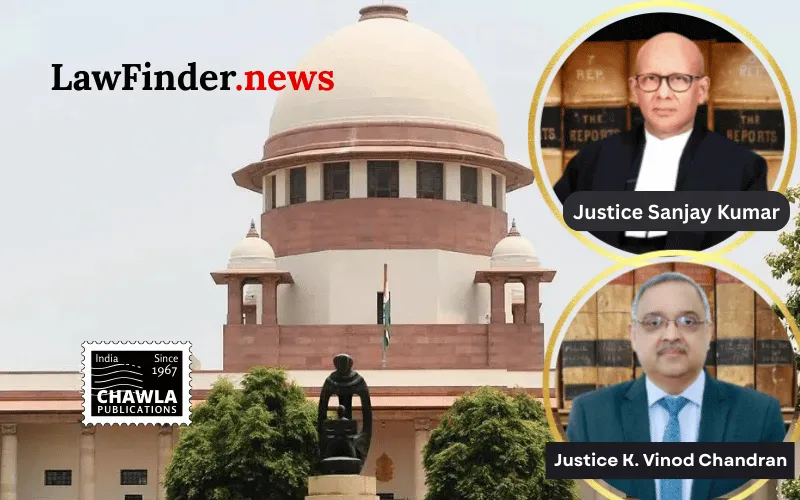
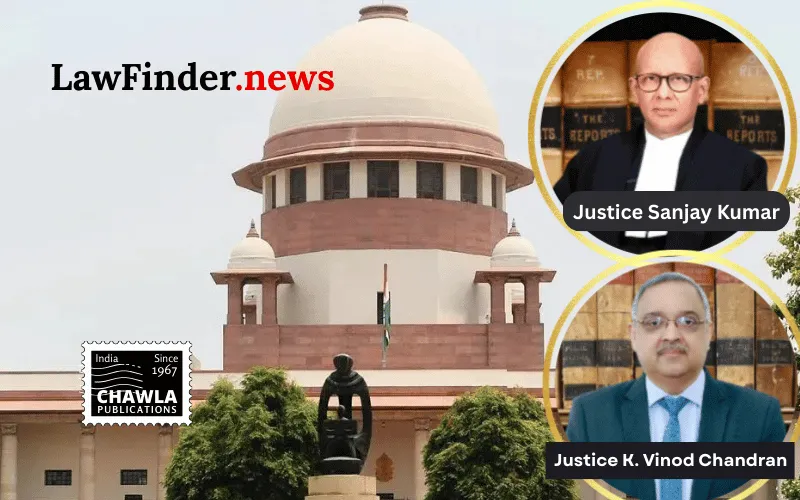
The Supreme Court, led by Justices Sanjay Kumar and K. Vinod Chandran, granted leave and stayed further proceedings in the suit. Upon review, the Supreme Court found the High Court's decision to be erroneous, emphasizing that the defendant's attempt to introduce a contradictory stand amounted to an abuse of process. The apex court highlighted that the defendant's application was an attempt to circumvent procedural rules, specifically the proviso to Order 6, Rule 17, CPC, which restricts amendments after the trial has commenced.
The Supreme Court concluded that the Trial Court's decision was legally and factually justified, thus overturning the High Court's ruling and restoring the Trial Court's order. The appeal was allowed, with parties bearing their own costs, and any pending applications were disposed of.
This judgment underscores the importance of maintaining consistency in pleadings and the judiciary's stance against procedural abuses in civil litigation.
Bottom Line:
Filing of an additional written statement under Order 8, Rule 9 CPC, introducing a contradictory and inconsistent stand, is impermissible, particularly after the commencement of the trial. Such an act constitutes an abuse of process and violates the mandate of Order 6, Rule 7 CPC and the proviso to Order 6, Rule 17 CPC.
Statutory provision(s):
Order 8, Rule 9 CPC, Order 6, Rule 7 CPC, Order 6, Rule 17 CPC, Article 227 of the Constitution of India.
Mondira Ghosh v. Chaitali Ghosh, (SC) : Law Finder Doc id # 2906907