Delhi High Court Directs RBI to Enhance Ombudsman Scheme for Consumer Protection in Fraudulent Transactions Case Court mandates human supervision in complaint rejections and holds bank accountable for recovery agent harassment.
In a significant judgment, the Delhi High Court has directed the Reserve Bank of India (RBI) to improve its Integrated Ombudsman Scheme to ensure better consumer protection, especially in cases of fraudulent credit card transactions. The ruling came in response to a writ petition filed by Sarwar Raza against the Ombudsman Reserve Bank of India and Citibank, concerning unauthorized transactions on a credit card issued without the petitioner's request.
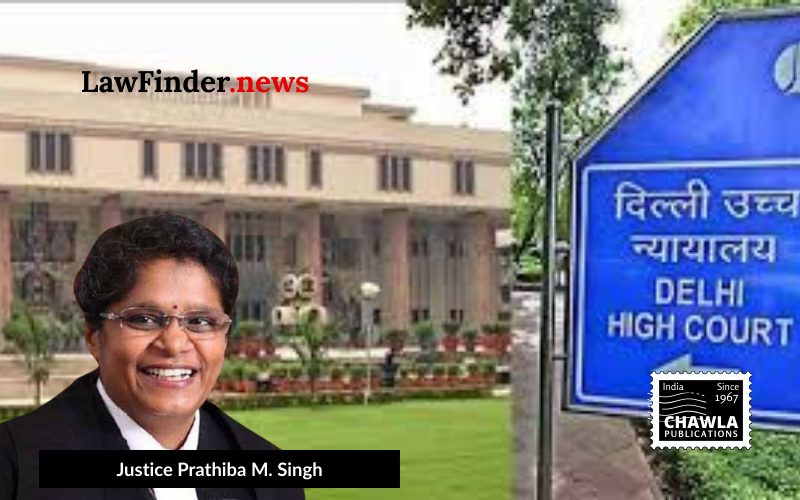
Justice Prathiba M. Singh, presiding over the case, emphasized the need for human oversight in the rejection of consumer complaints, stating that rejections should not be solely based on mechanized processes. The court highlighted that customers should be given opportunities to rectify errors in their complaints and that a second level of human supervision by trained legal personnel is necessary to prevent unjust dismissals.
The court also held Citibank accountable for the harassment faced by the petitioner from recovery agents, ordering the bank to compensate the petitioner with Rs. 1 lakh. It was observed that the recovery agents engaged in intimidation and harassment, which is condemnable and against the guidelines issued by the RBI.
Furthermore, the court directed Citibank not to charge late fees or interest on the disputed transaction amount and to restore the petitioner's CIBIL score, provided there are no other valid reasons for its reduction. The judgment mandates that the RBI ensure transparency in the complaint mechanisms of banks through the implementation of flowcharts and the display of proper hierarchies on their websites.
The court recognized the importance of the RBI's Circular on 'Customer Protection - Limiting Liability of Customers in Unauthorised Electronic Banking Transactions' and urged strict compliance by all banks. The judgment emphasized that the RBI's Ombudsman Scheme should not be a toothless entity but an effective mechanism for redressal of consumer grievances.
The High Court's directions include a mandate for the RBI to reinforce human resources at the Ombudsman's office and to conduct a second level of human review before finalizing complaint rejections. Additionally, the court instructed that all banks under RBI's regulation create a clear process flow for lodging complaints on their websites, ensuring customers can easily navigate the grievance redressal system.
The RBI has been asked to file an affidavit by January 15, 2026, detailing the steps taken to implement these directives. The case is scheduled for compliance reporting on January 30, 2026.
Statutory provision(s):
- - Reserve Bank-Integrated Ombudsman Scheme, 2021
- - Circular No. RBI/2017-18/15, Customer Protection - Limiting Liability of Customers in Unauthorised Electronic Banking Transactions
- - Circular no. RBI/2022-23/108, Outsourcing of Financial Services - Responsibilities of regulated entities employing Recovery Agents
Sarwar Raza v. Ombudsman Reserve Bank Of India, (Delhi) : Law Finder Doc Id # 2813590