Court mandates fines up to Rs. 2.5 lakh to curb the hazardous use of nylon thread, directing funds towards victim treatment.
In a significant move to address the growing public safety concerns associated with the use of nylon or synthetic thread, commonly known as manja, the Bombay High Court has imposed substantial fines on individuals and vendors found using or selling the hazardous material. The decision, emanating from a suo moto public interest litigation initiated by the court, highlights the persistent threat posed by nylon manja, which has led to numerous injuries and fatalities over the years.
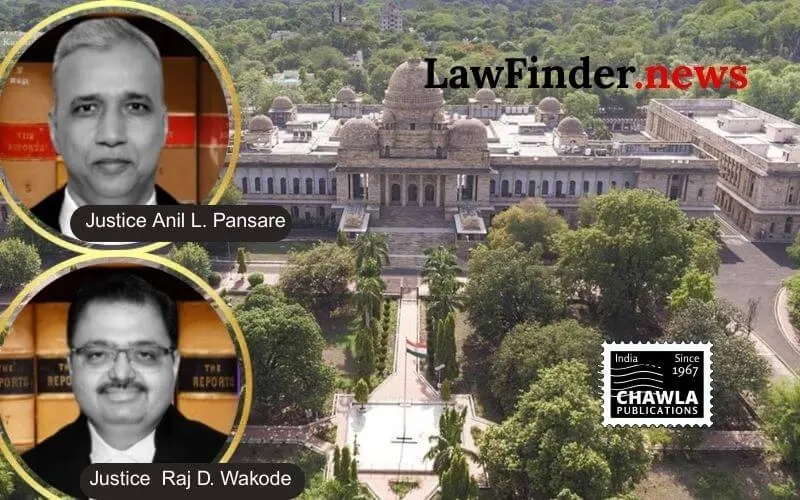
The court's bench, comprising Justices Anil S. Kilor and Raj D. Wakode, took the initiative based on alarming reports from newspapers indicating the continued rampant use of nylon manja despite previous efforts to curb it. In the absence of specific regulations by the State Government to control the sale and use of such dangerous materials, the court has stepped in with deterrent measures.
Per the court's directives, any individual caught flying a kite using nylon manja will be liable to pay a fine of Rs. 25,000. In instances involving minors, the responsibility to pay the fine falls upon the parents, reinforcing the notion of parental accountability in educating children about safe and responsible behavior. Vendors caught with stocks of nylon manja will face even steeper penalties, with fines set at Rs. 2,50,000 per incident.
To ensure that the funds collected from these fines are put to meaningful use, the court has ordered the creation of a 'Public Welfare Account.' The collected fines will be deposited into this account and utilized to aid the treatment of victims who have suffered due to incidents involving nylon manja. A committee, including the Collector, the Municipal Commissioner, and the Registrar (Administration) of the High Court, will oversee the allocation of financial assistance to victims.
Additionally, the court has mandated measures to facilitate the enforcement of these fines, including the generation of QR codes for fine payments and the formation of WhatsApp groups by Cyber Cells to report incidents. Police and municipal authorities are tasked with diligent enforcement, and failure to comply with the court's orders will attract accountability, with potential reporting to the court for non-compliance.
The High Court has underscored the importance of public awareness in tackling this issue, directing the publication of notices in leading newspapers to inform the public about the fines and the prohibition on nylon manja use. The court has clarified that ignorance of these public notices will not be accepted as a defense against the imposition of fines.
This landmark judgment sets a precedent for proactive judicial intervention in matters of public safety, especially when legislative measures lag. The court’s stringent approach aims to mitigate the dangers posed by nylon manja and underscores the judiciary’s role in safeguarding public welfare.
Bottom Line:
Public interest litigation addressing the menace of nylon/synthetic thread (manja) leading to injuries and fatalities - Court imposes deterrent fines on individuals and vendors to curb the issue and directs utilization of collected fines for victim treatment.
Statutory provision(s): Public Interest Litigation - Nylon/Synthetic Manja.