Court rules termination of employment a private contractual matter, not amenable to writ jurisdiction.
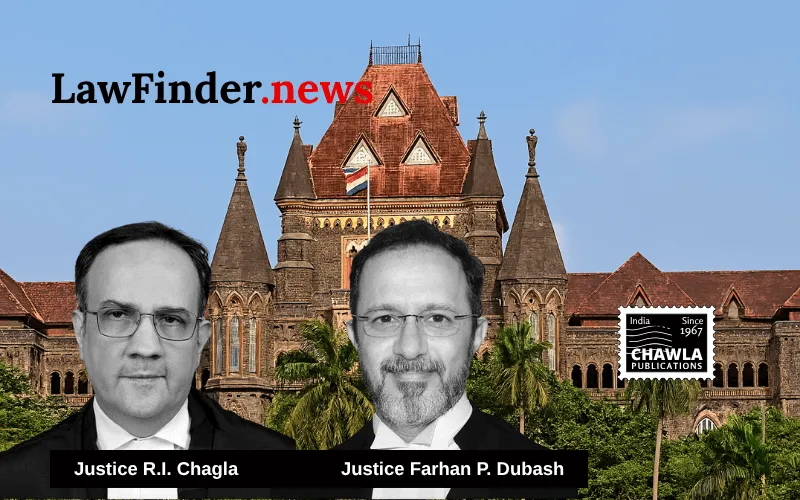
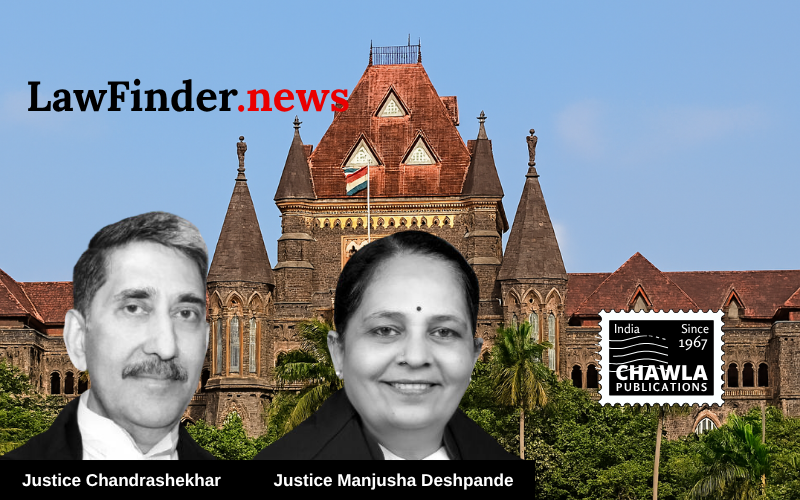
In a significant ruling, the Bombay High Court on October 16, 2025, dismissed a writ petition filed by Suprabhat Lala challenging his termination from the National Stock Exchange Ltd. (NSE). The division bench, comprising Chief Justice Shree Chandrashekhar and Justice Manjusha Deshpande, held that the termination of Lala’s employment was a matter of private contractual rights and not subject to public law remedies available under Article 226 of the Indian Constitution.
Lala, who was employed as a Senior Vice President at NSE, contended that his termination violated his constitutional rights under Articles 14, 16, and 21. He sought reinstatement and claimed that the termination was illegal, unjustified, and discriminatory. However, the court found that the employment relationship was governed by a contract rather than statutory rules, and the terms included a clause allowing termination with three months' notice or pay in lieu thereof, which was duly exercised by NSE.
The court emphasized that even if NSE is considered a "State" under Article 12, writ jurisdiction under Article 226 can only be invoked if there is a public law element involved. Since the dispute arose from private contractual obligations, the court ruled that a writ of mandamus could not be issued. The bench referred to several precedents, including "St. Mary's Education Society v. Rajendra Prasad Bhargava" and "K. K. Saksena v. International Commission on Irrigation and Drainage", reinforcing that private law disputes do not warrant judicial review under Article 226.
Furthermore, the court noted that Lala had accepted a full and final settlement, including a cheque in lieu of the notice period, and thus could not challenge the termination retrospectively. The judgment underscores the limitations of writ jurisdiction in employment disputes arising from private contracts, reaffirming the necessity of a public law component for such judicial interventions.
Bottom Line:
Employment Law - Termination of service based on a contractual agreement with private body not amenable to writ jurisdiction under Article 226 of the Constitution of India, unless there is a public law element involved.
Statutory provision(s): Article 226, Articles 14, 16, and 21 of the Constitution of India
Suprabhat Lala v. National Stock Exchange Ltd., (Bombay)(DB) : Law Finder Doc Id # 2799954