Accused Allegedly Involved in Evidence Tampering and Bribery; Court Emphasizes Severity and Risks
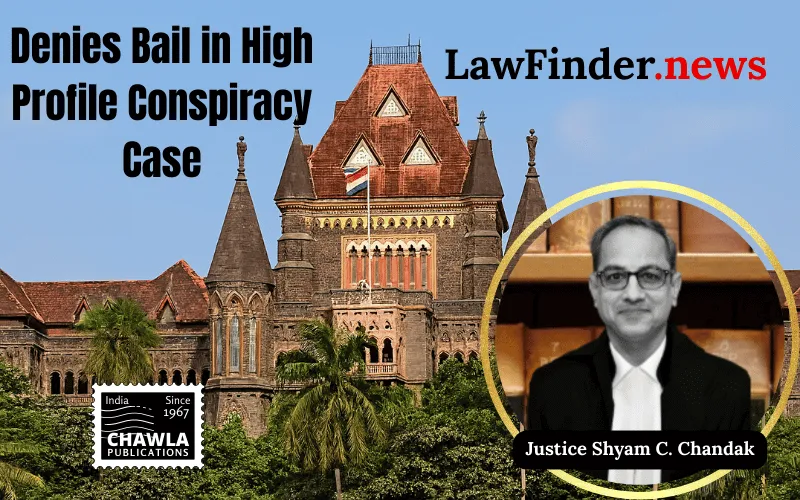
In a significant judgment, the Bombay High Court, presided over by Justice Shyam C. Chandak, denied bail to several applicants implicated in a complex criminal case involving allegations of conspiracy, evidence tampering, and bribery. The case stems from a tragic accident on May 19, 2024, where a minor driving under the influence of alcohol caused the death of two individuals. The subsequent investigation revealed a web of deceit involving prominent individuals and medical professionals attempting to alter evidence to protect the accused minor.
The applicants, including Vishal Agarwal, the father of the accused minor, and several medical professionals, were charged under various sections of the Indian Penal Code (IPC), Prevention of Corruption Act, and Motor Vehicles Act. The charges included forgery, conspiracy, and tampering with evidence. The prosecution argued that the accused conspired to replace blood samples and falsify medical reports to show that the minor was not under the influence of alcohol during the accident. The plan allegedly involved bribing medical professionals to secure false evidence.
Justice Chandak's judgment highlighted the gravity of the offense and the potential for justice to be subverted if bail were granted. The court emphasized the principle that while "bail is the rule, jail is the exception," this principle must be applied judiciously, especially in cases where the severity of the crime and the risk of evidence tampering are high. The judgment noted that the accused used their financial and influential positions to orchestrate the conspiracy, posing a significant danger to the course of justice.
The court also addressed the procedural lapses alleged by the defense, including the non-communication of the grounds of arrest. However, it concluded that the applicants failed to demonstrate any prejudice caused by these lapses. The court asserted that procedural mistakes should not override the rights of victims, emphasizing the importance of balancing the rights of the accused with the rights of victims in the criminal justice system.
The denial of bail underscores the court's commitment to ensuring justice for the victims and maintaining the integrity of the judicial process. The court directed the trial to proceed expeditiously, with a focus on examining key witnesses to safeguard their testimonies from potential tampering.
Bottom Line:
Bail application in a case involving allegations of criminal conspiracy, tampering with evidence, and forgery under the IPC, Prevention of Corruption Act, and Motor Vehicles Act.
Statutory provision(s): Indian Penal Code, 1860 - Sections 304, 467, 468, 471, 109, 120-B read with Section 34; Prevention of Corruption Act, 1988 - Sections 7, 7A, 8, 12, 13; Motor Vehicles Act - Sections 184, 185, 199/177, 3(1)/180, 5(1)/181; Bharatiya Nagarik Suraksha Sanhita, 2023 - Section 47
Mr. Aditya Avinash Sood v. State of Maharashtra, (Bombay) : Law Finder Doc Id # 2822501