Court Stresses Expedited Proceedings to Uphold Right to Speedy Trial
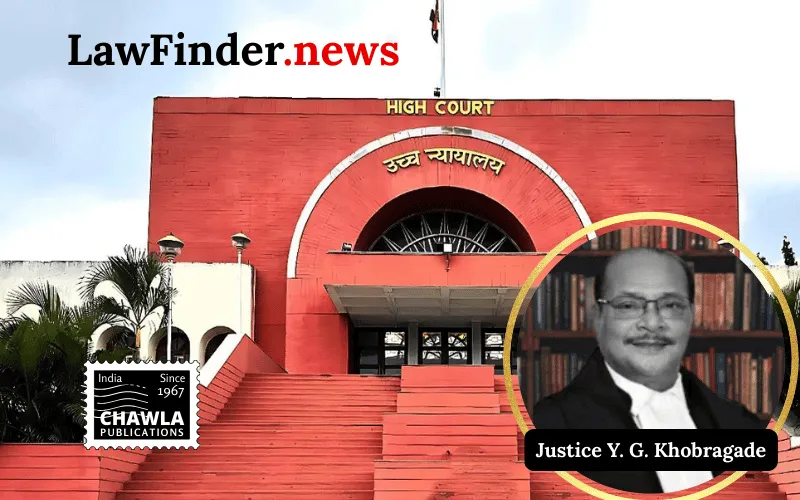
In a significant ruling, the Bombay High Court, Aurangabad Bench, has denied bail to Mangesh, the accused in a high-profile murder case, despite his prolonged incarceration exceeding six years without trial completion. The bench, presided over by Justice Y. G. Khobragade, emphasized the necessity of a speedy trial as enshrined under Article 21 of the Indian Constitution but held that long incarceration alone does not justify bail in cases involving grave charges, such as murder under Section 302 of the Indian Penal Code (IPC).
The appellant, Mangesh, had been charged with the murder of his wife, Rukhmini, and other serious offenses under the Scheduled Castes and Scheduled Tribes (Prevention of Atrocities) Act, 1989. Despite the lengthy duration of his pre-trial detention, the court maintained that the seriousness of the charges and the risk of witness tampering necessitated continued detention.
During the proceedings, the court acknowledged the delay in trial proceedings, which had only seen six witnesses examined out of a total of 42 cited in the charge sheet. Justice Khobragade directed the trial court to expedite the proceedings and conclude the trial within six months, underscoring the need to protect the fundamental rights of the accused while balancing the interests of justice.
The court further instructed that day-to-day proceedings must be ensured to prevent further violation of Article 21 rights. The Special Judge at Ahmednagar has been tasked with ensuring witness attendance through appropriate legal measures, including the issuance of bailable and non-bailable warrants.
The case has drawn attention due to the conflicting statements recorded during the investigation, including a dying declaration by the victim accusing Mangesh of the crime. While the defense cited contradictions and the fundamental right to a speedy trial, the prosecution highlighted the gravity of the offenses and potential risks posed by granting bail.
In its judgment, the court noted precedent cases where bail was granted due to prolonged incarceration but differentiated Mangesh's situation due to the ongoing trial and the nature of the charges. The court clarified that should the trial not conclude within the stipulated timeframe, the appellant retains the right to renew his bail application.
The ruling underscores the judiciary's commitment to upholding constitutional rights while ensuring that serious allegations are thoroughly adjudicated. The case is set to continue under strict judicial oversight to meet the newly set deadlines, reflecting an intensified focus on balancing expedient justice with the rights of the accused.
Bottom Line:
Long incarceration without trial does not automatically entitle an accused to bail, especially in cases involving serious charges like murder under Section 302 IPC. However, the trial court is obligated to expedite the trial and ensure its completion within a stipulated time frame to protect the fundamental right to a speedy trial under Article 21 of the Constitution of India.
Statutory provision(s): Article 21 of the Constitution of India, Section 302 IPC, Section 307 IPC, Section 203 IPC, Sections 3(1)(r)(s) & 3(2)(va) of the Scheduled Castes and Scheduled Tribes (Prevention of Atrocities) Act, 1989, Section 483 of Bharatiya Nagarik Suraksha Sanhita, 2023.
Mangesh v. State of Maharashtra, (Bombay)(Aurangabad Bench) : Law Finder Doc id # 2879891