No Substantial Question of Law Arises; Pairing and Testing of Smart Cards Not Considered Manufacturing Activity
In a recent judgment, the Bombay High Court's Aurangabad Bench dismissed an appeal filed by the Commissioner of Central GST and Central Excise against M/s. Dish TV India Limited, upholding the decision of the Customs, Excise and Service Tax Appellate Tribunal (CESTAT). The case revolved around the classification of activities related to the pairing and testing of smart cards used in Set Top Boxes (STBs), and whether these activities constituted manufacturing, necessitating the reversal of Cenvat Credit.
The case stemmed from Dish TV India Limited's procurement of smart cards from overseas, for which they availed Cenvat Credit. These smart cards were then sent to M/s. Trend Electronics Limited to be paired and tested with STBs before being sold back to Dish TV India Limited. The central issue was whether this process constituted manufacturing, requiring the reversal of the Cenvat Credit under Rule 3(5) of the Cenvat Credit Rules, 2004.
The appellant argued that the activities carried out by Trend Electronics should be considered manufacturing under Section XVI of the Central Excise Tariff Act, 1985, and thus, the Cenvat Credit availed should be reversed. However, the Tribunal had previously ruled that the activities qualified as job work under Rule 4(5)(a) of the Cenvat Credit Rules, 2004, which does not necessitate credit reversal.
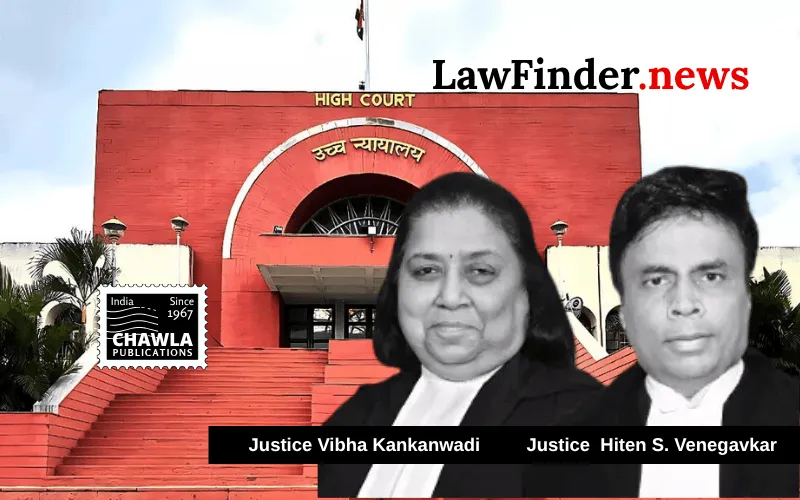
The High Court, presided over by Justices Vibha Kankanwadi and Hiten S. Venegavkar, agreed with the Tribunal's interpretation, stating that the pairing and testing did not amount to manufacturing. The Court highlighted that job work, as defined under Rule 2(n), involves processing or working upon raw materials or semi-finished goods to aid in manufacturing or finishing an article. The activities performed by Trend Electronics were deemed essential for ensuring the functionality of the STBs but did not transform the smart cards into a new product.
The judgment emphasized that the statutory provisions allowed for instant credit on inputs, services, or capital goods to reduce costs and prevent cascading effects. The Court concluded that no substantial question of law was presented by the appellant, and therefore, dismissed the appeal.
This decision reinforces the understanding of job work within the framework of Cenvat Credit Rules and underscores the importance of precise statutory interpretation in tax-related disputes.
Bottom Line:
Cenvat Credit - No substantial question of law arises when pairing and testing of smart cards with Set Top Boxes does not fall under "manufacturing activity," and the Tribunal's interpretation of job work and Cenvat Credit rules is upheld.
Statutory provision(s): Rule 3(5), Rule 4(5)(a), Rule 2(n) of Cenvat Credit Rules, 2004; Section XVI of Central Excise Tariff Act, 1985