Karta's Personal Liability Affirmed for Unsatisfied Debts of HUF, Court Receiver Appointed for Asset Management
In a significant ruling, the Bombay High Court has upheld the jurisdiction of the "Seat" Court under Section 2(1)(e)(i) of the Arbitration and Conciliation Act, 1996, affirming its authority to entertain the execution of an arbitration award irrespective of the location of the award debtor's assets. The case, involving Manjeet Singh T. Anand as the applicant and Nishant Enterprises HUF as the respondent, revolved around the execution of an arbitral award amounting to INR 14,79,71,228.
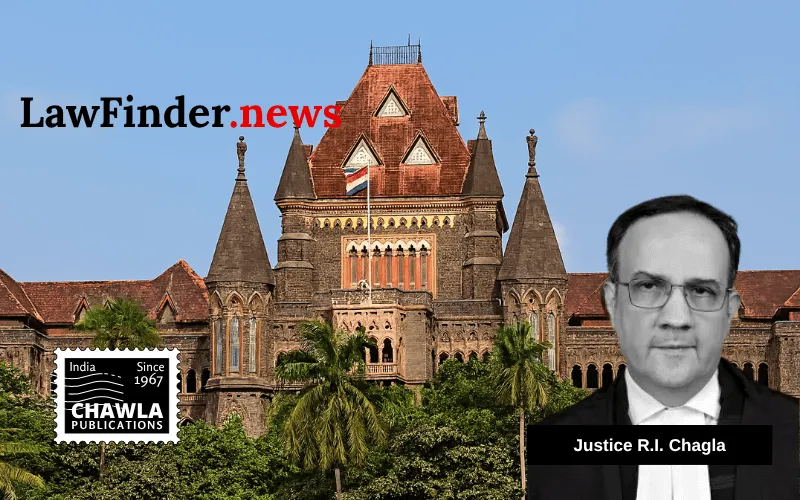
Presided over by Justice R.I. Chagla, the court addressed key objections regarding territorial jurisdiction and the personal liability of the Karta of a Hindu Undivided Family (HUF). The respondents had challenged the court's jurisdiction, arguing that the assets of the award debtor were located outside Mumbai, specifically in District Thane, and thus outside the court's territorial purview.
Justice Chagla, however, emphasized that the "Seat" Court retains jurisdiction for the enforcement of the award, allowing the award creditor the option to execute the award either at the seat of arbitration or where the assets are located. The court referenced the Full Bench decision in Gemini Bay Transcription Pvt. Ltd. and the Supreme Court's ruling in Sundaram Finance Ltd. v. Abdul Samad, reinforcing the legal stance that the Seat Court's jurisdiction is not negated by asset location.
Furthermore, the court addressed the liability of the Karta, holding that under Hindu law, a Karta's liability for unsatisfied debts of the HUF is personal and unlimited. This ruling dismisses the respondents' contention that the Karta's personal assets cannot be pursued in execution for HUF debts. The court cited precedents such as Shiv Bhagwan Moti Ram Saraogi and A. Khandelwal & Sons to substantiate the Karta's liability.
In a decisive move, the court appointed a Court Receiver with the authority to take possession and manage the immovable properties deposited as security, ensuring that the decretal debt is satisfied. The properties, valued at approximately INR 4 crores, were deposited under the court's orders and are deemed custodia legis, available for execution against the outstanding award.
The court also directed the respondents to disclose all assets through affidavits, including movable and immovable properties, and restrained them from any transactions that could affect the assets' status. The judgment underscores the enforceability of arbitral awards and the legal responsibilities of HUF Kartas, setting a precedent for future arbitration-related executions.
Bottom Line:
Arbitration Award Execution - The "Seat" Court under Section 2(1)(e)(i) of the Arbitration and Conciliation Act, 1996 retains jurisdiction to enforce the Award, regardless of the location of the Award Debtor's assets.
Statutory provision(s): Arbitration and Conciliation Act, 1996 Section 2(1)(e)(i), Section 36, Code of Civil Procedure, 1908 Sections 38, 39, 47, Order XXI Rule 50, Order XL Rule 1
Manjeet Singh T. Anand v. Nishant Enterprises HUF, (Bombay) : Law Finder Doc Id # 2834552