Lack of Evidence and Procedural Lapses Lead to Acquittal of T. R. Rakesh Kumar
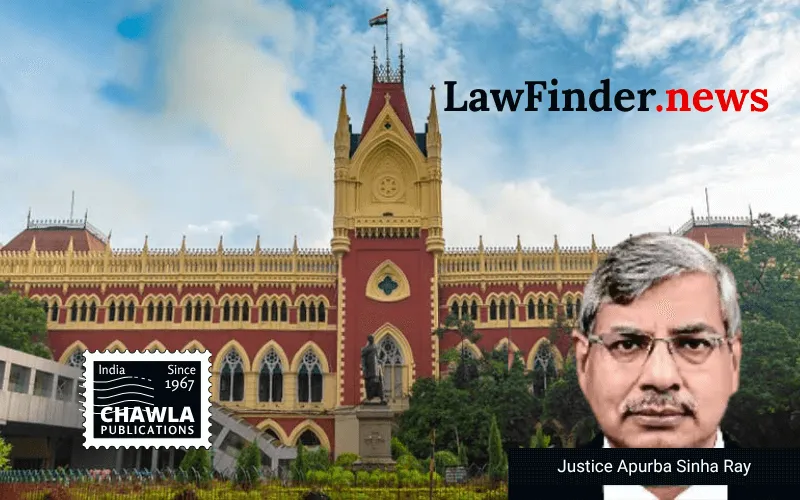
In a significant ruling, the Calcutta High Court's Circuit Bench at Port Blair has acquitted T. R. Rakesh Kumar, overturning previous convictions for allegedly damaging public property. The judgment, delivered by Justice Apurba Sinha Ray, highlighted critical lapses in the prosecution's case, including the absence of crucial evidence and procedural errors.
The case originated from an incident on June 23, 2019, when Rakesh Kumar was accused of damaging medical equipment at a government hospital in Port Blair. Although the First Information Report (FIR) was filed the following day, it failed to name Kumar explicitly, describing the perpetrators only as the "patient party" without individual identification.
The prosecution's case relied heavily on eyewitness testimony. However, the court noted significant inconsistencies, particularly the absence of a Test Identification Parade and clarity on how witnesses identified Kumar. The court raised concerns about possible tutoring of witnesses, given the lack of evidence connecting Kumar directly to the alleged act.
Justice Sinha Ray emphasized the prosecution's failure to adhere to the best evidence rule. Critical evidence, such as the damaged equipment, was neither seized nor presented during the trial. No photographs or expert opinions were provided to substantiate the claims of damage, significantly weakening the prosecution's case.
The court criticized the lower courts for overlooking these deficiencies, stating that the absence of physical evidence and procedural missteps rendered the charges against Kumar unproven beyond a reasonable doubt. Consequently, the court set aside the previous judgments and ordered Kumar's immediate release.
This ruling underscores the judiciary's commitment to ensuring that convictions are based on solid evidence and procedural integrity. It serves as a reminder of the importance of adhering to legal standards in criminal proceedings.
Bottom Line:
Acquittal of accused due to failure of prosecution in proving damage to public property beyond reasonable doubt; lack of seizure, photographs, expert opinion, and adherence to best evidence rule.
Statutory provision(s): Prevention of Damage to Public Property Act, 1984 Section 3(1), Probation of Offenders Act, 1958 Section 3, Code of Criminal Procedure Section 360
T. R. Rakesh Kumar v. State, (Calcutta)(Circuit Bench At Port Blair) : Law Finder Doc id # 2848597