Assam Company India Limited's Mesne Profits Suit Dismissed in Wake of Approved Resolution Plan
In a landmark judgment delivered on December 8, 2025, the Calcutta High Court has upheld the principles of the Insolvency & Bankruptcy Code, 2016, reinforcing the sanctity of approved resolution plans and their binding effect on stakeholders. The court ruled in favor of Assam Company India Limited, the appellant, dismissing ongoing claims related to mesne profits against its new management, following the approval of its resolution plan by the National Company Law Tribunal (NCLT) in Guwahati.
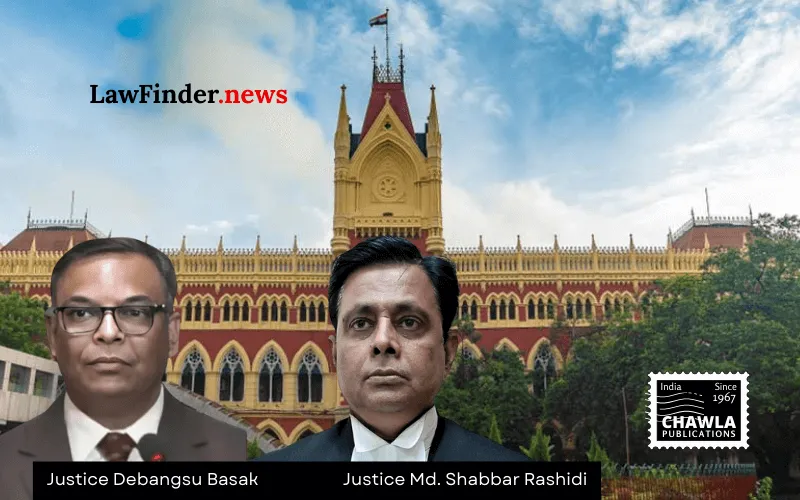
The division bench comprising Justices Debangsu Basak and Md. Shabbar Rashidi emphasized that once a resolution plan is sanctioned by the adjudicating authority under Section 31(1) of the Insolvency & Bankruptcy Code, any claims that are not included in the resolution plan are extinguished. The court clarified that no proceedings can be initiated or continued against the new management concerning such claims.
The case revolved around a suit filed by Numazar Dorab Mehta and others, seeking possession and mesne profits from Assam Company India Limited. Although possession was decreed in 2011, the quantification of mesne profits remained pending. During this period, Assam Company India Limited underwent a Corporate Insolvency Resolution Process, leading to the approval of a resolution plan by NCLT, Guwahati on September 20, 2018.
According to the resolution plan, any monetary liabilities identified in the mesne profits proceedings were to be recovered from the erstwhile management of the company, not from the new management. The court reiterated that the suit could not proceed against the current management, aligning with precedents set by cases such as Electrosteel Steel Ltd. v. Ispat Carrier Pvt. Ltd.
The judgment underscores the binding nature of approved resolution plans, which dictate that claims not part of the plan are effectively nullified. This decision reinforces the legal framework designed to protect corporate entities undergoing restructuring, ensuring that their new management can operate without the burden of past liabilities not included in the resolution plan.
The High Court's ruling provides clarity on the interpretation of "existing management" within the resolution plan, establishing that it refers to the management prior to the takeover by the new team. Thus, any financial liabilities resulting from the quantification of mesne profits are to be addressed by the previous management.
Respondents, represented by Advocate Snehasis Sen, were directed to take appropriate steps if they wished to pursue financial recovery from the previous management. The court has allowed a fortnight for such actions, failing which the suit would be considered disposed of.
This judgment sets a significant precedent in the application of the Insolvency & Bankruptcy Code, affirming the necessity for stakeholders to adhere strictly to the provisions of the sanctioned resolution plan. It ensures that companies emerging from insolvency can proceed with their operations unencumbered by historical claims, thereby fostering a more robust and predictable insolvency resolution process.
Bottom Line:
Corporate Insolvency Resolution Process (CIRP) - Once a resolution plan (RP) is duly approved by the adjudicating authority under Section 31(1) of the Insolvency & Bankruptcy Code, 2016, claims not part of the RP shall stand extinguished, and no person is entitled to initiate or continue any proceeding in respect of such claims.
Statutory provision(s): Insolvency & Bankruptcy Code, 2016 Section 31(1), Civil Procedure Code, 1908 Order 7, Rule 11
Assam Company India Limited v. Numazar Dorab Mehta, (Calcutta)(DB) : Law Finder Doc Id # 2825285