Court Dismisses Appeal Against Land Acquisition, Citing Employment Generation and Socio-Economic Development
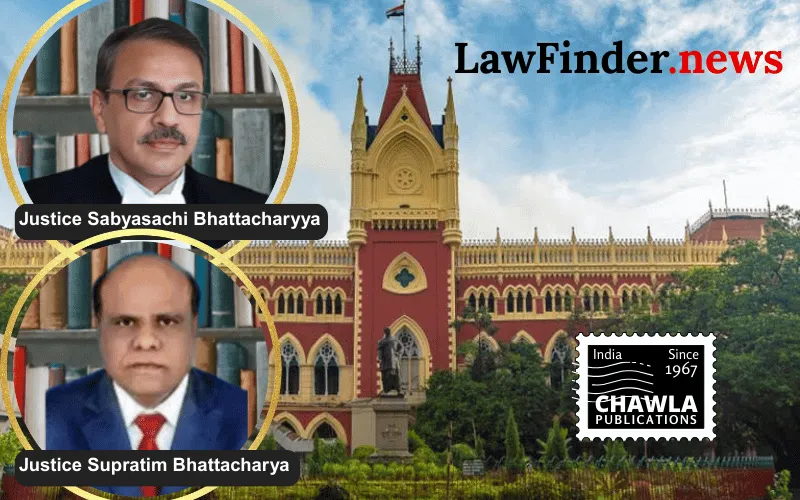
In a significant ruling, the Calcutta High Court has affirmed the acquisition of land for the Vidyasagar Industrial Park, dismissing an appeal by Shree Garden Resort Private Limited Company and others. The Division Bench, comprising Justices Sabyasachi Bhattacharyya and Supratim Bhattacharya, upheld the acquisition under the Land Acquisition Act, 1894, emphasizing its public purpose of employment generation and socio-economic development.
The appellants challenged the acquisition on several grounds, including the purported misuse of the land for a flour mill, which they argued deviated from the original purpose of setting up Telcon and Allied Industrial Units. They contended that the acquisition was effectively for a private company and not a public purpose, thereby questioning the validity of the compensation process.
The court, however, found that the acquisition was rightly conducted for a public purpose as declared in the notification under Section 4 of the Land Acquisition Act, 1894. The judges noted that the land was handed over to the West Bengal Industrial Development Corporation Limited (WBIDCL) to develop the industrial park, fulfilling the public interest objectives of employment and development.
The court also dismissed the appellants' claims regarding the legality of the lease deed to Ganapati Flour & Foods (P) Ltd., stating that the establishment of an industrial park inherently supports public purposes. The judgment underscored the legal position that the broader objective of industrial development remained consistent despite the specific industries involved.
Furthermore, the court ruled that the appellants' writ petition was maintainable but lacked merit, as the acquisition had been upheld in previous challenges up to the Supreme Court. The bench emphasized judicial propriety, highlighting that the finality of litigation must be respected to prevent endless legal challenges, which could disrupt public projects.
The judgment also addressed concerns over procedural aspects, such as the naming of awardees and permissions from local authorities, clarifying that the acquisition process adhered to legal requirements and did not necessitate additional permissions from the Midnapore-Kharagpur Development Authority (MKDA).
Ultimately, the court concluded that the acquisition process was legally sound and aligned with the intended public purpose, reinforcing the state's commitment to regional development through industrialization.
Bottom Line:
Acquisition of land for public purpose upheld - Challenge to acquisition rejected as the purpose remained consistent with employment generation and socio-economic development of the area through the setting up of an industrial park.
Statutory provision(s):
Land Acquisition Act, 1894 Sections 4, 6, 18
Civil Procedure - Res judicata and issue estoppel