Court Orders Issuance of Indian Passport Under Citizenship Act, 1955
In a landmark judgment, the Delhi High Court has ruled in favor of Ms. Yangchen Drakmargyapon, a Tibetan refugee born in India, affirming her status as an Indian citizen by birth under Section 3(1)(a) of the Citizenship Act, 1955. This decision marks a significant victory for Tibetan refugees who were born in India between January 26, 1950, and July 1, 1987, and have been seeking recognition of their citizenship rights.
Ms. Drakmargyapon, born in Dharamshala, Himachal Pradesh on May 15, 1966, had been residing in Switzerland since 1997. Despite holding an Indian Identity Certificate, she faced challenges obtaining an Indian passport, which led her to file a petition in the Delhi High Court. Her legal battle centered around her right to be recognized as an Indian citizen by birth and the subsequent entitlement to an Indian passport.
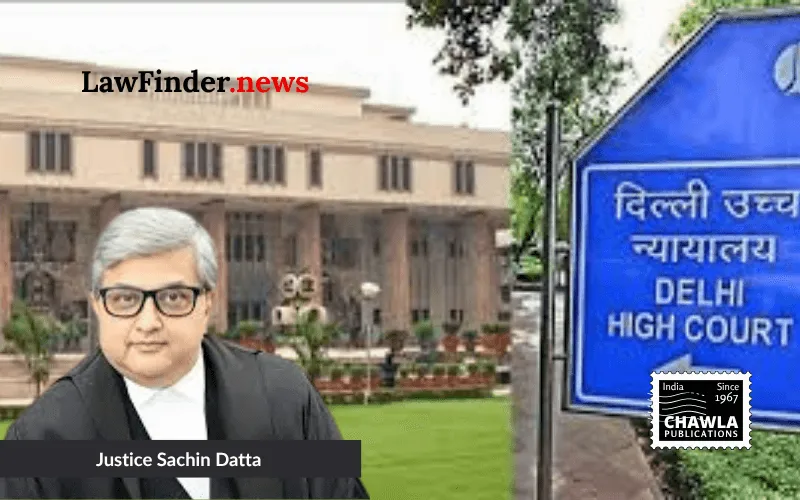
The judgment, delivered by Justice Sachin Datta, emphasized the statutory provisions of the Citizenship Act, 1955, which unequivocally grant citizenship to individuals born in India during the specified period. The court dismissed the argument presented by the Union of India, which contended that Tibetan refugees are a separate class not covered by the Act.
Justice Datta referenced previous judgments, including the case of Namgyal Dolkar v. Government of India, which set a precedent for recognizing the citizenship rights of Tibetan refugees born in India. The court reiterated that holding identity certificates or describing oneself as a Tibetan national does not amount to renunciation of Indian citizenship or acquisition of foreign citizenship under Section 9 of the Citizenship Act, 1955.
The ruling also highlighted that inter-ministerial decisions or executive instructions cannot override statutory provisions. It reaffirmed the court's position that individuals who meet the criteria under Section 3(1)(a) are entitled to Indian passports under the Passport Act, 1967, without the need for additional applications or procedures.
Ms. Drakmargyapon's case drew attention to the plight of Tibetan refugees who have been unable to travel or return to India due to passport and citizenship issues. The court's decision is expected to pave the way for many such individuals to claim their rightful status as Indian citizens and access the privileges that come with it.
The judgment comes as a relief to Ms. Drakmargyapon and her family, who have been stranded in Switzerland without valid travel documents since 2014. It enables them to return to India, perform familial rites, and fully participate in the privileges of Indian citizenship.
The Delhi High Court's decision is seen as a reaffirmation of the constitutional and legal rights provided under Indian law, offering hope to numerous Tibetan refugees facing similar challenges.
Bottom Line:
Citizenship by Birth - Tibetan refugees born in India between 26th January 1950 and 1st July 1987 are Indian citizens under Section 3(1)(a) of the Citizenship Act, 1955 and entitled to Indian passports despite holding identity certificates or foreign travel documents.
Statutory provision(s): Citizenship Act, 1955 Sections 3(1)(a), 8, 9; Passport Act, 1967
Ms. Yangchen Drakmargyapon v. Union Of India, (Delhi) : Law Finder Doc id # 2848476