In the absence of statutory provisions for guardianship of individuals in a vegetative state, the court provides guidelines and appoints a guardian to manage medical and financial affairs.
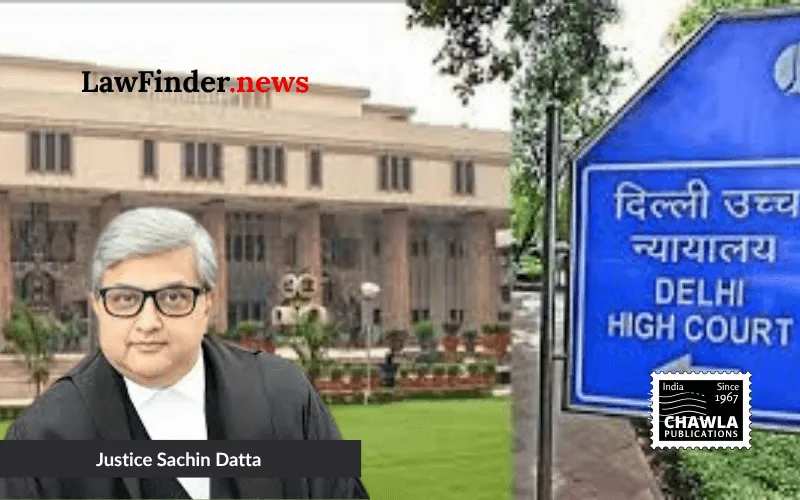
In a landmark decision, the Delhi High Court has invoked the Doctrine of Parens Patriae to appoint Professor Alka Acharya as the legal guardian of her husband, Mr. Salam Khan, who has been in a vegetative state following an intracranial haemorrhage earlier this year. The judgment, delivered by Justice Sachin Datta, highlights the lack of specific statutory provisions in India for the guardianship of individuals in such medical conditions and establishes guidelines for future cases.
Mr. Salam Khan, after suffering a severe brain haemorrhage in February 2025, remains in a persistent vegetative state. He requires constant medical attention and is unable to make any decisions regarding his health or financial matters. The court noted the absence of mechanisms under current laws like the Rights of Persons with Disabilities Act, 2016, and the Mental Healthcare Act, 2017, which do not address the appointment of guardians for individuals in comatose states.
Professor Acharya, supported by affidavits from her children and reports from medical and local authorities, demonstrated the necessity for legal guardianship to manage Mr. Khan's medical treatment, financial affairs, and assets. The court's decision authorizes her to oversee Mr. Khan's bank accounts, properties, and other assets to ensure his welfare.
The judgment draws on precedents from other High Courts and emphasizes the court's inherent powers under Article 226 of the Constitution of India. The court also acknowledged the legal vacuum and provided a framework to guide similar future cases, ensuring the protection of individuals in vegetative states.
Justice Datta's ruling not only addresses the immediate needs of the petitioner but also sets a precedent for handling similar cases where statutory guidance is lacking. The court's guidelines ensure that guardianship is exercised in the best interest of the incapacitated individuals, with periodic monitoring to prevent misuse.
The decision underscores the judiciary's role in filling legislative gaps and protecting vulnerable individuals, reinforcing the principle of Parens Patriae as an essential tool for justice.
Bottom Line:
Doctrine of Parens Patriae invoked by the Court to appoint a legal guardian for an individual in a vegetative/comatose state, ensuring management of assets and decision-making for medical and daily expenses.
Statutory provision(s): Article 226 of the Constitution of India, Rights of Persons with Disabilities Act, 2016, Mental Healthcare Act, 2017.
Professor Alka Acharya v. Govt. of NCT of Delhi, (Delhi) : Law Finder Doc Id # 2831730