Daughter-in-law Directed to Vacate Property with Provision for Alternate Accommodation and Maintenance
In a significant judgment, the Delhi High Court has harmonized the competing rights of senior citizens and a daughter-in-law, paving the way for the latter's eviction from her in-laws' property, while ensuring her right to alternate accommodation. The case, Ratika Kalra v. Government of NCT of Delhi, highlighted the intersection of the Maintenance and Welfare of Parents and Senior Citizens Act, 2007, and the Protection of Women from Domestic Violence Act, 2005.
The petitioner, Ratika Kalra, was directed to vacate the property owned by her senior citizen in-laws following allegations of ill-treatment and harassment. The court upheld the decision of the Maintenance Tribunal, which had earlier ordered the eviction, citing Rule 22(3)(1) of the Delhi Maintenance and Welfare of Senior Citizens Rules, 2009. This provision allows senior citizens to evict occupants from their property in cases of non-maintenance and ill-treatment.
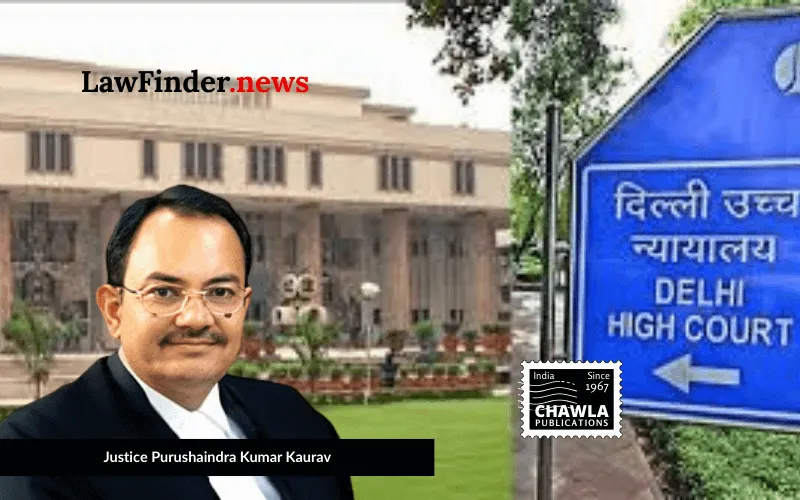
While affirming the Tribunal's decision, Justice Purushaindra Kumar Kaurav noted that the rights under the Domestic Violence Act do not override the protections provided to senior citizens under the Senior Citizens Act. To ensure compliance with the DV Act, the court directed the senior citizens to provide alternate accommodation and monetary support to Ratika Kalra.
In a balancing act, the court ordered the senior citizens to pay Rs. 30,000 in rent and Rs. 5,000 in maintenance expenses to Ratika Kalra, facilitating her move to alternate housing. The petitioner was given 60 days to vacate the Paschim Vihar property, with advance rent to be deposited in her bank account within a month. Failure to comply with these terms would permit the petitioner to restore possession.
The judgment also emphasized the importance of the Supreme Court's decision in S. Vanitha v. Deputy Commissioner, Bengaluru Urban District, which underscores the need to harmonize reliefs under both the Senior Citizens Act and the DV Act, protecting vulnerable groups without infringing on statutory protections.
The court was mindful of the medical needs of Ratika Kalra's minor child, who suffers from Autism Spectrum Disorder, affirming that welfare considerations do not permanently negate senior citizens' lawful rights. The statutory obligation for arranging suitable accommodation conducive to the child's needs primarily rests with the parents, the court noted.
The Delhi High Court's decision serves as a precedent in balancing the rights of senior citizens and their daughter-in-law, ensuring that both parties' statutory protections are upheld while providing a framework for alternate arrangements.
Bottom line:-
Senior Citizens Act, 2007 and Protection of Women from Domestic Violence Act, 2005 - Competing rights of senior citizens and daughter-in-law must be harmonized - Senior citizens' right to peaceful enjoyment of their property balanced with the daughter-in-law's right to alternate accommodation under DV Act.
Statutory provision(s):
- Maintenance and Welfare of Parents and Senior Citizens Act, 2007
- Protection of Women from Domestic Violence Act, 2005
- Delhi Maintenance and Welfare of Senior Citizens Rules, 2009
Ratika Kalra v. Government of NCT of Delhi, (Delhi) : Law Finder Doc id # 2892058