Accused's Bail Revoked Due to Attempts to Subvert Justice; Calls for Inquiry into Judicial Interference
In a significant ruling, the Delhi High Court has canceled the pre-arrest bail granted to an accused advocate, Randhir Lal, in a case involving serious charges of sexual assault and intimidation. The decision came after alarming allegations surfaced, suggesting interference with the administration of justice, including attempts to influence the victim through judicial officers.
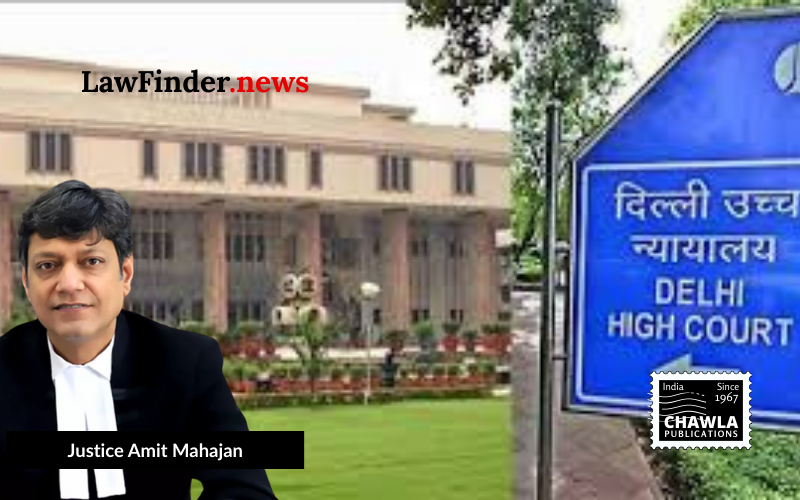
Justice Amit Mahajan, presiding over the matter, emphasized that the liberty granted through bail is conditional and can be revoked if the accused engages in actions that threaten the integrity of the trial. The court highlighted that there were supervening circumstances warranting the cancellation, including efforts by Randhir Lal to intimidate the prosecutrix and sway her into retracting her statements.
The prosecutrix, a practicing advocate, alleged that Randhir Lal had continuously established physical relations with her by emotionally blackmailing her, leading to her pregnancy. Additionally, incidents of physical assault and intimidation were reported, further complicating the case.
Crucially, the court took note of the prosecutrix's claims that two judicial officers had contacted her, attempting to persuade her to dilute her allegations against Randhir Lal. These officers allegedly offered financial inducements and pressured her to compromise the matter, prompting the court to order an administrative inquiry into their conduct.
The High Court's judgment underscored the need for balancing individual liberty with societal interest in ensuring a fair trial. It reiterated that bail is not an absolute right, especially in cases where the accused attempts to tamper with evidence or influence witnesses.
The court expressed its dismay over the involvement of judicial officers in such a case, acknowledging the serious implications of their alleged misconduct. It directed appropriate legal action to uphold the sanctity of the judicial process.
Furthermore, the judgment pointed out that the accused had misused the conditions of interim bail by indirectly contacting the prosecutrix, thereby violating the court's directives. Such actions, the court noted, strike at the root of the rule of law, necessitating strict intervention.
While the trial is yet to commence, the court acknowledged the influential status of the accused and the potential risk of further interference with the proceedings. As part of the ruling, Randhir Lal has been given a week to surrender before the trial court, marking a decisive step in maintaining judicial integrity.
The case serves as a stark reminder of the judiciary's role in safeguarding justice and the importance of upholding ethical standards within the legal fraternity. The High Court's order reflects a commitment to ensuring that the criminal justice system remains untainted by external influences.
Bottom Line:
Bail granted to an accused can be cancelled if there are supervening circumstances or attempts by the accused to interfere with the administration of justice, tamper with evidence, or threaten witnesses.
Statutory provision(s): Bharatiya Nagarik Suraksha Sanhita, 2023 Sections 482, 180, 183
PJ v. State Govt. of NCT of Delhi, (Delhi) : Law Finder Doc Id # 2805301