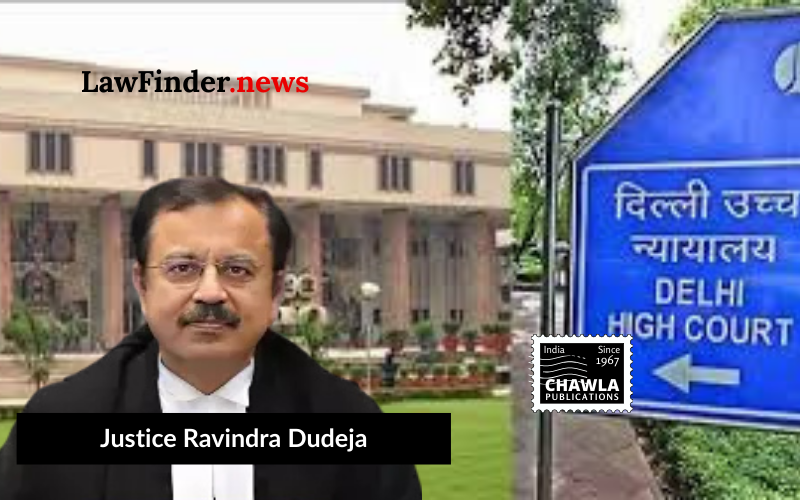
Petitioner's Plea to Visit Ailing Family Members Rejected; Court Emphasizes Importance of Balancing Humanitarian Concerns with National Security
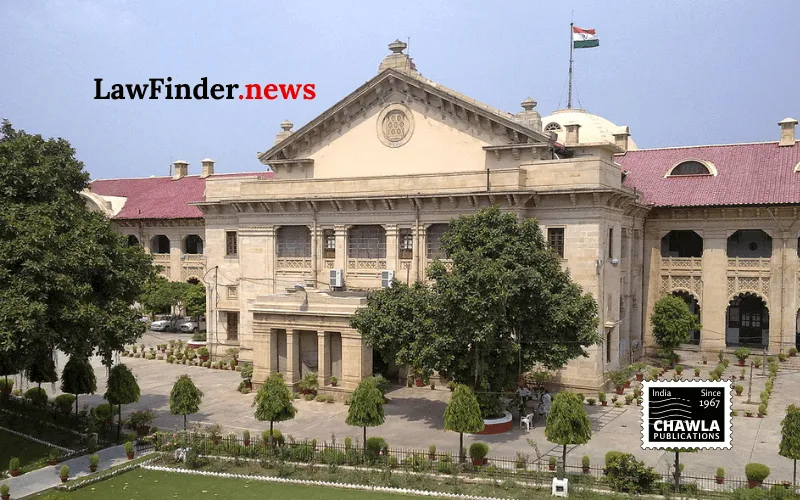
In a significant ruling, the Delhi High Court has rejected the custody parole plea of Mohamed Ali Jinnah, an undertrial prisoner associated with a high-profile case under the Unlawful Activities (Prevention) Act, 1967. The judgment was delivered by Justice Ravinder Dudeja on November 3, 2025, affirming the trial court's decision to deny the parole request.
Mohamed Ali Jinnah, who has been in judicial custody since September 22, 2022, sought temporary release to visit his ailing parents and brother. His mother is diagnosed with Papillary Carcinoma of the Thyroid, alongside other health issues, while his father and brother also require ongoing medical attention. Jinnah's plea was based on humanitarian grounds, arguing his presence was necessary to support his family during these challenging times.
However, the court upheld the trial court's order, emphasizing that the ailments described in the medical certificates were manageable under medical supervision and did not amount to life-threatening conditions necessitating Jinnah's presence. The court highlighted that custody parole under Rule 1203 of the Delhi Prison Rules, 2018, is a temporary and humanitarian measure, applicable only in instances of emergent or exceptional circumstances such as serious illness or death of a family member.
The judgment also took into account the gravity of the charges against Jinnah under the UAPA, which include conspiracy and involvement in unlawful activities threatening national security. The court stressed that while the right to family life and personal liberty under Article 21 of the Constitution is paramount, it must be balanced against lawful restrictions in the interest of security and the administration of justice.
Jinnah's legal counsel argued that his right to assist his family during severe illness was protected under Article 21, and denying parole would cause undue emotional distress. The court, however, reiterated that Jinnah's desire to console his family, albeit understandable, did not constitute a ground for emergent parole as per the applicable legal framework.
The denial of custody parole underscores the judiciary's cautious approach in cases involving national security, where the alleged offenses are severe. The decision reflects the court's attempt to maintain a delicate balance between humanitarian considerations and the imperative of safeguarding public interest.
Bottom Line:
Custody parole denied under Rule 1203 of the Delhi Prison Rules, 2018, as no emergent or exceptional circumstances involving serious illness or life-threatening conditions of family members were established.
Statutory provision(s): Bharatiya Nagarik Suraksha Sanhita, 2023 Section 528, Delhi Prison Rules, 2018 Rule 1203, Constitution of India, 1950 Article 21
Mohamed Ali Jinnah v. National Investigation Agency, (Delhi) : Law Finder Doc Id # 2807054