Court Finds Substantial Factual Disputes in Property, Title, and Income Claims; Full Trial Required
In a significant ruling, the Delhi High Court has denied a summary judgment under Order XII Rule 6 of the Civil Procedure Code, 1908, in a complex partition suit involving multiple properties and intricate family disputes. The case, titled Anu (Since Deceased) v. Suresh Verma (Since Deceased), concerns the partition of properties allegedly forming part of the estate of the appellant's deceased parents, late Shri Om Prakash Verma and late Smt. Chandra Wati.
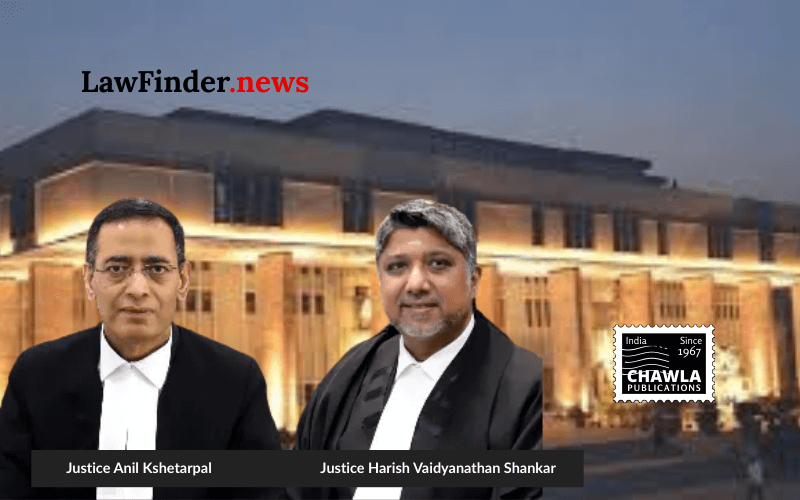
The appellant, represented by Mr. Anuj Gupta, sought a decree for partition and a share in the rental income from certain properties. However, the court, comprising Justices Anil Kshetarpal and Harish Vaidyanathan Shankar, found that the admissions relied upon by the appellant were neither unequivocal nor unambiguous.
The key issues in the case involve disputes over the title, share, and rental income from properties located in Raghubarpura, Gandhi Nagar, Delhi. The appellant claims a 1/6th share in the properties, but the defendants, through various documents and affidavits, have contested the appellant's claims, leading to unresolved questions about property size, ownership, and succession rights.
The court emphasized that the admissions necessary for a summary judgment must be clear and unconditional, which was not the case here. The judgment noted that the plaintiff must independently prove the title to the properties, as previous orders had already negated claims based on inadequate pleadings.
The court's decision highlights the complexities involved in partition suits, where detailed examination of title, possession, and shares is often required. The court has allowed the appellant the liberty to file a more detailed application if specific, unambiguous admissions can be identified.
This ruling underscores the judiciary's cautious approach in partition suits, ensuring that substantial disputes are thoroughly adjudicated rather than resolved through summary judgments.
Bottom Line:
Order 12 Rule 6 of CPC - Summary judgment in partition suits - Admissions relied upon must be unequivocal, unambiguous, and unconditional - Substantial factual disputes like title, shares, and rental income require full trial unless resolved.
Statutory provision(s): Order 12 Rule 6 of the Civil Procedure Code, 1908
Anu (Since Deceased) v. Suresh Verma(Since Deceased), (Delhi)(DB) : Law Finder Doc Id # 2822064