Court rules no copyright infringement in multi-generational family sagas, finds absence of proof of access fatal; defamation claims dismissed; both parties to bear own costs
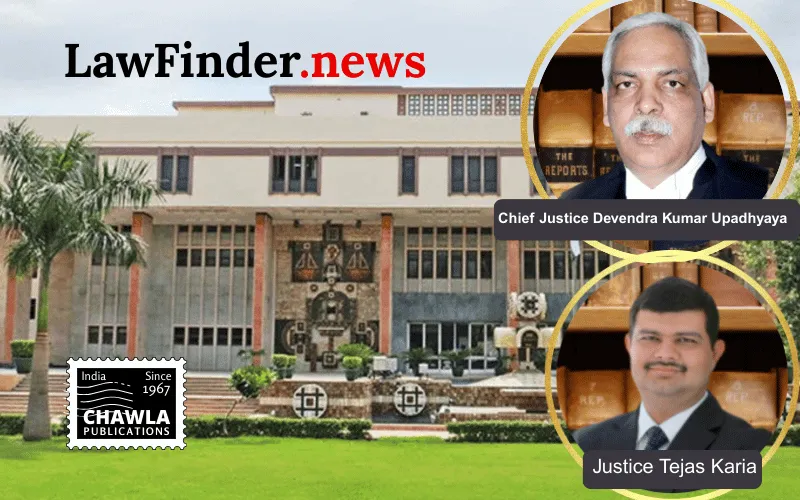
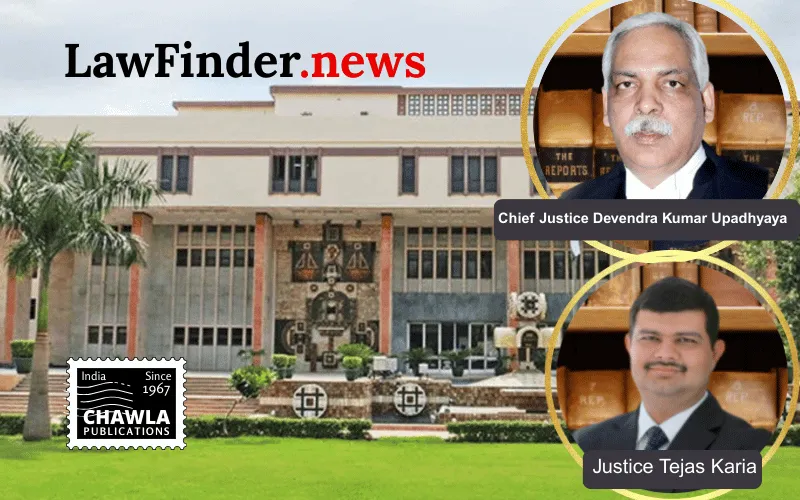
In a landmark judgment delivered on April 30, 2026, the Delhi High Court, presided over by Justice Tejas Karia, dismissed two consolidated suits involving celebrated novelist and publisher Mr. David Davidar and author Ms. Sivassundari Bose. The disputes centered around allegations of copyright infringement, breach of trust, and defamation concerning their respective literary works — “The House of the Blue Mangoes” by Mr. Davidar and “Golden Stag” by Ms. Bose.
Ms. Bose filed suit CS(COMM) 581/2024 claiming that Mr. Davidar’s novel was based on her unpublished manuscript, which she alleged had been submitted to Penguin India during Mr. Davidar’s tenure as CEO. She sought a declaration of copyright infringement, rendition of accounts of profits, and a public acknowledgment of the alleged misappropriation. In response, Mr. Davidar filed suit CS(COMM) 706/2018 seeking permanent injunctions against what he described as groundless legal threats and defamatory statements by Ms. Bose.
The court undertook a meticulous comparison of the two works, noting that both are multi-generational family sagas set in Tamil Nadu but differ significantly in expression, style, plot structure, and characterization. The Court highlighted that similarities in themes, historical settings, and genre conventions, such as family trees and maps, are common in such literary works and are not protectable under copyright law.
A crucial factor was the failure of Ms. Bose to prove that Mr. Davidar had access to her complete manuscript. The manuscript allegedly submitted to Penguin India on January 24, 2000, was never produced in court. Furthermore, a junior editor at Penguin India, Ms. Sayoni Basu, whose visiting card was the only evidence of submission, stated in an affidavit that she neither recalled receiving the manuscript nor forwarding it to Mr. Davidar. These evidentiary gaps proved fatal to the copyright claim.
The Court reiterated the settled principle under Indian copyright law and Supreme Court precedents, including the landmark RG Anand case, that copyright protects the expression of ideas, not ideas, themes, or historical facts themselves. It was emphasized that mere thematic or factual similarities do not amount to infringement.
Regarding the limitation defense, although Ms. Bose’s suit was filed nearly a decade after the publication of Mr. Davidar’s book, the court excluded the period during which Mr. Davidar was abroad (2004-2010) from the limitation calculation, holding the suit within time under Section 15(5) of the Limitation Act.
On defamation, the court found that Ms. Bose’s communications regarding her grievance were made in good faith to protect her rights and did not amount to malice or actionable defamation. Mr. Davidar’s claims for damages on this ground were accordingly rejected.
The Court also held that the prayer for injunction against groundless threats under Section 60 of the Copyright Act became infructuous once Ms. Bose filed her infringement suit with due diligence.
In its conclusive observations, the Court dismissed both suits, holding that neither party was entitled to damages or injunctive relief. Both parties were directed to bear their own legal costs.
This judgment underscores the importance of strict proof of access and substantial similarity in copyright infringement claims, especially in literary works sharing common themes or historical settings. It also clarifies the limits of copyright protection concerning ideas and common literary devices.
Bottom line:-
Copyright infringement - Mere similarity in theme, setting, and historical facts in multi-generational family sagas does not amount to copyright infringement - Absence of proof of access to manuscript and substantial similarity in expression is fatal to copyright claim.
Statutory provision(s):
Copyright Act, 1957 Sections 51, 55, 60; Limitation Act, 1963 Section 15(5); Indian Penal Code, 1860 Section 499 (Ninth Exception)
This report summarizes the comprehensive judgment delivered by the Delhi High Court in the consolidated suits CS(COMM) 706/2018 and CS(COMM) 581/2024, involving complex issues of copyright law, limitation, defamation, and breach of trust in the literary domain.
Mr. David Davidar v. Ms. Sivassundari Bose, (Delhi) : Law Finder Doc id # 2891316