Court Upholds Doctrine of Functus Officio, Emphasizing Need for Fresh Proceedings for New Causes of Action
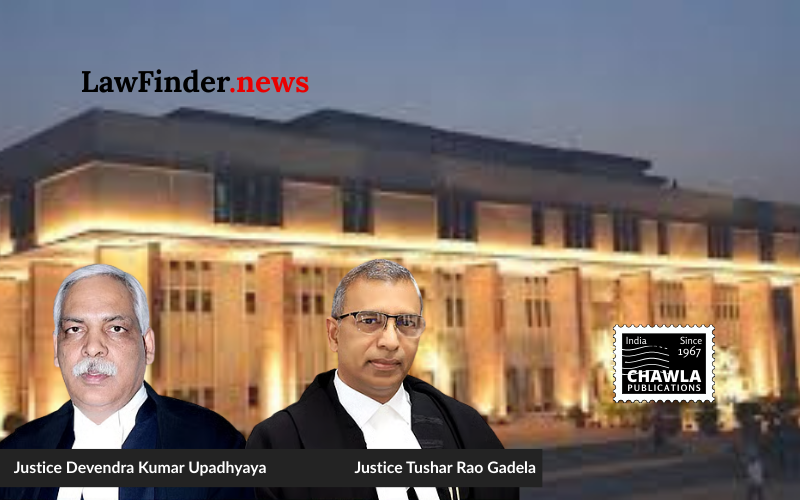
In a significant ruling, the Delhi High Court dismissed a miscellaneous application filed by Telecom Watchdog in the case against the Union of India. The bench, comprising Chief Justice Devendra Kumar Upadhyaya and Justice Tushar Rao Gedela, underscored the importance of the doctrine of functus officio, reiterating that once a court has disposed of a writ petition, it cannot entertain new applications unless they address clerical or arithmetical errors.
The case, initially disposed of in August 2024, revolved around a public interest litigation challenging the award of contracts by the Department of Telecommunications without a tender process. During the pendency of the original petition, an FIR was lodged against Telecom Watchdog, alleging unlawful possession and use of confidential documents. The petitioner sought to quash proceedings related to this FIR through a miscellaneous application, which the court deemed inadmissible due to the closure of the original writ petition.
The court further elaborated on the legal avenues available to the petitioner, highlighting the necessity to file fresh proceedings under Article 226 of the Constitution or Section 482 of the CrPC/Bharatiya Nagarik Suraksha Sanhita, 2023, for any new causes of action. The bench emphasized that the issuance of notices under Section 35(3) of the BNSS to the petitioner’s secretary constituted a new cause of action, thereby invalidating the current application.
Additionally, the court addressed the petitioner’s request for initiating suo moto contempt proceedings, clarifying that such actions require specific consent from designated law officers, which was absent in this case. The judges noted that any action against the FIR should be pursued through appropriate legal channels and not through a disposed writ petition.
The ruling serves as a reminder of the procedural rigor required in judicial proceedings, ensuring that the finality of court orders is respected while providing clear pathways for addressing new legal challenges.
Bottom Line:
A miscellaneous application in a disposed writ petition is not maintainable to revive proceedings on subsequent events or fresh causes of action. Doctrine of functus officio applies, and only clerical or arithmetic errors can be corrected in such cases.
Statutory provision(s): Contempt of Courts Act, 1971 Section 15, Bharatiya Nagarik Suraksha Sanhita, 2023 Section 35(3), CrPC Sections 41A, 173, 482, Indian Penal Code Sections 120B, 380, 411
Telecom Watchdog v. Union of India, (Delhi)(DB) : Law Finder Doc Id # 2818369