Judges Differ on Whether Reserved Medical Seat Should Be Opened to Unreserved Candidates Due to Lack of Eligible OBC Candidates
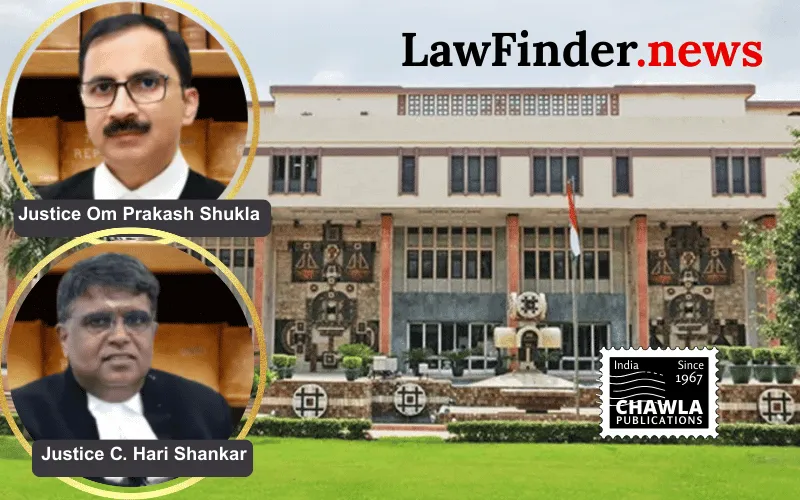
In a significant ruling from the Delhi High Court, a division bench expressed differing opinions on the issue of de-reserving a medical seat originally allocated for the Other Backward Classes (OBC) in a government hospital. The case, involving the National Board of Examinations In Medical Sciences (NBEMS) and Dr. Aditi Panwar, revolved around a vacant OBC seat for a Radio-Diagnosis course at a hospital in Panchkula.
Justice Om Prakash Shukla, one of the judges on the bench, argued in favor of de-reserving the seat to prevent wastage, citing precedents where courts have allowed unfilled reserved seats to be allocated to unreserved candidates under certain conditions. He emphasized that the seat should not remain vacant when no eligible OBC candidates are available, aligning with broader principles of public interest and efficient use of educational resources.
Conversely, Justice C. Hari Shankar disagreed, stating that the court does not have the jurisdiction to direct de-reservation without specific statutory or executive authorization. He stressed that such actions fall within the purview of the executive branch and highlighted the importance of adhering to the established reservation policies unless otherwise instructed by law.
The case has been forwarded to the Chief Justice of the Delhi High Court for further consideration, as the bench could not reach a consensus. This decision will be pivotal in determining how similar cases are handled in the future, potentially impacting reservation policies and their implementation in educational institutions across India.
The case underscores the complexity and sensitivity surrounding reservation policies in India, particularly in the field of medical education where the demand for seats often exceeds supply. The outcome could have significant implications for both reserved category candidates and those in the unreserved category, as well as for policymakers tasked with balancing social justice with equitable access to education.
Bottom line:-
Medical Admissions - The reservation policy is a tool for social justice, but vacant reserved seats for OBC candidates in medical courses may be converted to unreserved category if no eligible OBC candidate is available and to avoid wastage of valuable medical seats. Conversion should be a last resort after exhausting all eligible reserved category candidates and ensuring adherence to constitutional principles.
Statutory provision(s): Constitution of India Article 15(5), Article 14, Article 16; Central Educational Institutions (Reservation in Admission) Act, 2006 Section 4(d)