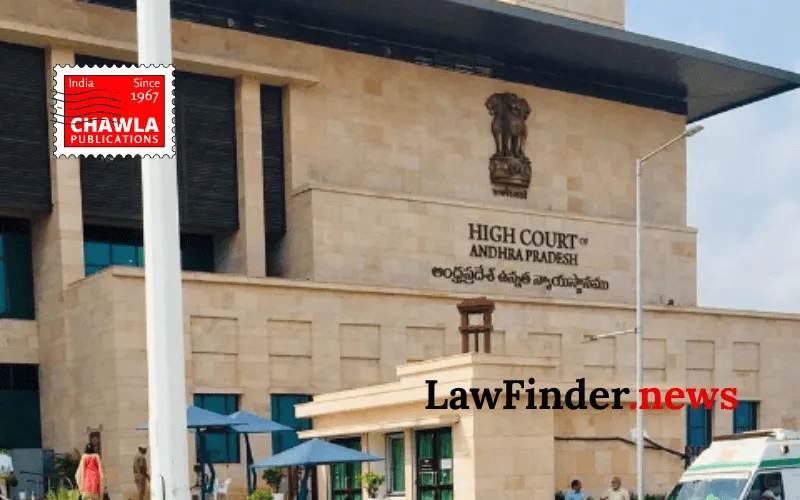
Bail Granted Considering Custody Duration, Lack of Prior Offenses, and Supreme Court Precedent
In a significant decision, the Delhi High Court has granted bail to Chinu Kumar, who was accused of involvement in a GST fraud case. The bail application, heard by Justice Vikas Mahajan, was decided on December 26, 2025. Kumar had been in custody since November 21, 2025, on charges under the Central Goods and Services Tax Act, 2017, specifically for allegedly assisting a co-accused in running fictitious firms and generating fraudulent Input Tax Credit (ITC).
The court took into account the absence of prior criminal records for Kumar, the duration of his custody, and a relevant Supreme Court judgment in the case of Vineet Jain v. Union of India. The Supreme Court had previously emphasized the normalcy of granting bail in similar cases, unless extraordinary circumstances existed. This precedent played a pivotal role in the Delhi High Court's decision.
Kumar's counsel, Mr. Sunil Dalal, argued that Kumar's role was limited to that of an accountant and that he was not a beneficiary of the fraudulent activities. Additionally, it was noted that the main beneficiary of the alleged fraud was a company named MBook Technology Pvt. Ltd., and the co-accused, Mr. Navdeep Singh, had already been granted bail earlier.
The court set bail conditions, including the furnishing of a personal bond of Rs. 5,00,000/- with two sureties of the like amount. Kumar is also required to comply with travel restrictions, keep the court informed about any changes in his residential address, appear before the trial court as required, maintain an operational mobile number, and avoid tampering with evidence or influencing witnesses.
The decision underscores the judiciary's balanced approach to ensuring justice while considering the rights of the accused, particularly when the alleged offenses are non-violent and primarily involve documentary evidence.
Bottom Line:
Bail granted to petitioner accused of offenses under Central Goods and Services Tax Act, 2017, considering custody duration, absence of antecedents, and reference to Supreme Court judgment emphasizing normal grant of bail in such cases.
Statutory provision(s): Central Goods and Services Tax Act, 2017 Section 132(1)(c), Section 69