Under-trial Prisoner Shahid Nasir Permitted to Attend Mother-in-Law’s Fathiha Ceremony
In a significant ruling, the Delhi High Court has granted custody parole to Shahid Nasir, an under-trial prisoner, to attend the religious Fathiha ceremony of his deceased mother-in-law. The decision acknowledges the importance of religious and cultural obligations under Articles 21 and 25 of the Constitution. The court emphasized that the parole was granted on humanitarian grounds and does not set a precedent for future cases.
The petition was filed by Shahid Nasir under Article 226 of the Constitution, seeking custody parole for three days to participate in the ceremony. The petitioner had been in judicial custody since September 2022 and argued that his presence at the ceremony was a religious obligation as the son-in-law of the deceased. Despite previous denial by the trial court due to the ceremony being optional and the death occurring two years prior, the High Court took a humanitarian view of the request.
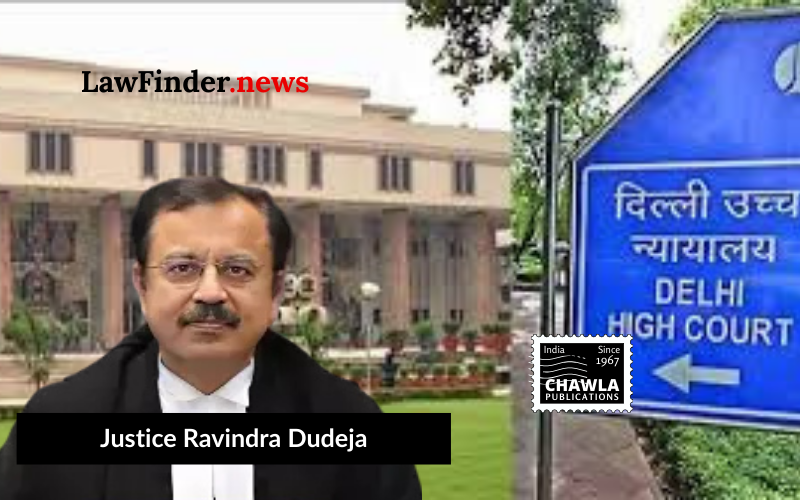
Justice Ravinder Dudeja, presiding over the case, stressed the fundamental rights of prisoners to observe religious duties, citing Rule 1203 of the Delhi Prison Rules, 2018. The rule allows custody parole for specific situations such as family deaths, under strict supervision. The court noted that the petitioner had no history of bail or parole misuse, and the request was limited in duration and scope.
The National Investigation Agency opposed the application, citing the serious charges against Nasir under the Unlawful Activities (Prevention) Act, including conspiracy and fundraising for unlawful activities. However, the court found no security threat in permitting the parole with necessary safeguards.
The custody parole was granted for two days with conditions including police escort, travel and logistics expenses borne by the petitioner’s family, restricted interaction, and media silence. The court ordered strict adherence to these conditions, warning of immediate termination of parole upon violation.
The court clarified that the decision was made purely on humanitarian grounds, given the unique circumstances of the case, and should not be viewed as a legal precedent. The ruling underscores the balance between ensuring justice and upholding human dignity in the legal system.
Bottom Line:
Custody parole granted to an under-trial prisoner to attend the religious Fathiha ceremony of his deceased mother-in-law, acknowledging the importance of religious and cultural obligations under Articles 21 and 25 of the Constitution.
Statutory provision(s): Articles 21, 25, 226 of the Constitution of India; Section 528 of Bharatiya Nagarik Suraksha Sanhita, 2023; Rule 1203 of Delhi Prison Rules, 2018; Sections 120B, 153A IPC; Sections 13, 17, 18, 18A, 18B, 22C, 38, 39 of Unlawful Activities (Prevention) Act, 1967.
Shahid Nasir v. National Investigation Agency, (Delhi) : Law Finder Doc Id # 2797103