Shreyansh Jarwal allowed to appear for JEE (Advanced) 2026 despite seat acceptance controversy
In a significant interim order, the Delhi High Court has granted provisional permission to Shreyansh Jarwal to appear in the JEE (Advanced) 2026 examination, despite a contentious scenario regarding his eligibility. The petitioner, Shreyansh Jarwal, had initially been deemed ineligible due to a seat acceptance issue during a prior counseling process. However, the Court's decision allows Jarwal to take the examination, scheduled for May 17, 2026, subject to the final adjudication of his writ petition.
The case revolves around Jarwal's participation in the Joint Seat Allocation Authority (JoSAA) counseling process for IIT admissions in 2025, where he exercised a float option and was allotted a seat at IIT Guwahati. Despite this, Jarwal decided not to join the offered program and communicated his decision to IIT Guwahati. The controversy arose when IIT Roorkee, the organizing institute for JEE Advanced 2026, declared him ineligible based on Criterion A5 of the JEE Advanced Information Brochure, which restricts candidates who have been admitted to any IIT from appearing in the examination again.
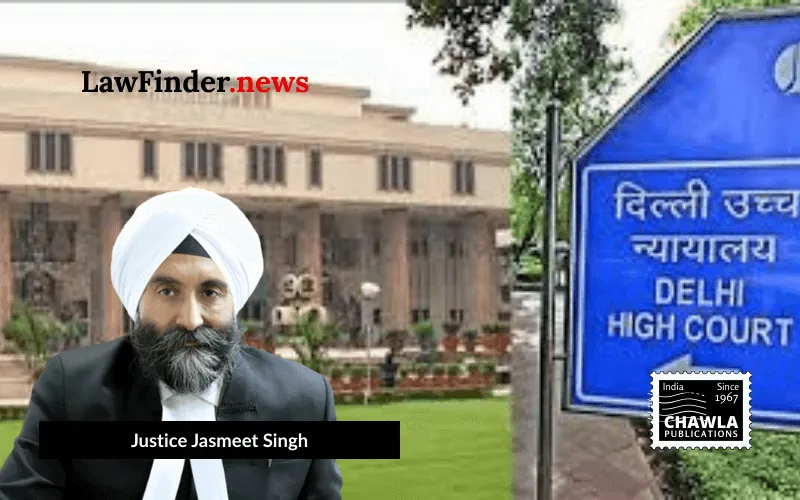
Justice Jasmeet Singh, presiding over the case, acknowledged the complexity of the situation and emphasized the importance of preventing irreparable harm to the petitioner. The Court noted that the final confirmation of Jarwal's prior admission was contingent upon document verification, which had not occurred. Thus, Jarwal's seat acceptance was not considered finalized.
In the interim order, the Court recognized Jarwal's prima facie case and determined that the balance of convenience favored granting provisional permission. The decision was guided by the necessity to avoid irreversible loss to the petitioner, who has only two opportunities to attempt the JEE Advanced examination, having already exhausted one attempt in 2025.
The judgment also referenced previous Supreme Court rulings, particularly emphasizing the need for adherence to rules and avoiding misplaced sympathy in academic matters. Justice Singh distinguished the present case from these precedents, asserting that the decision was based on prima facie reasons rather than sympathy.
The Court has scheduled the final hearing for May 25, 2026, allowing both parties to complete their pleadings. Meanwhile, Jarwal will be allowed to sit for the JEE (Advanced) 2026 exam, with the possibility that his participation may be nullified based on the final outcome of the petition.
This decision highlights the judicial discretion involved in academic disputes, balancing legal principles with the potential consequences for the individuals involved.
Bottom line:-
Provisional permission granted to petitioner to appear in JEE (Advanced) 2026 examination, despite deemed acceptance of a seat in the counseling process, subject to final adjudication of the writ petition.
Statutory provision(s): Article 226 of the Constitution of India, JEE Advanced 2026 Information Brochure Criterion A5
Shreyansh Jarwal v. Joint Seat Allocation Authority Josaa, (Delhi) : Law Finder Doc id # 2892838