Judicial criticism permissible, but baseless personal attacks on judiciary lead to contempt ruling.
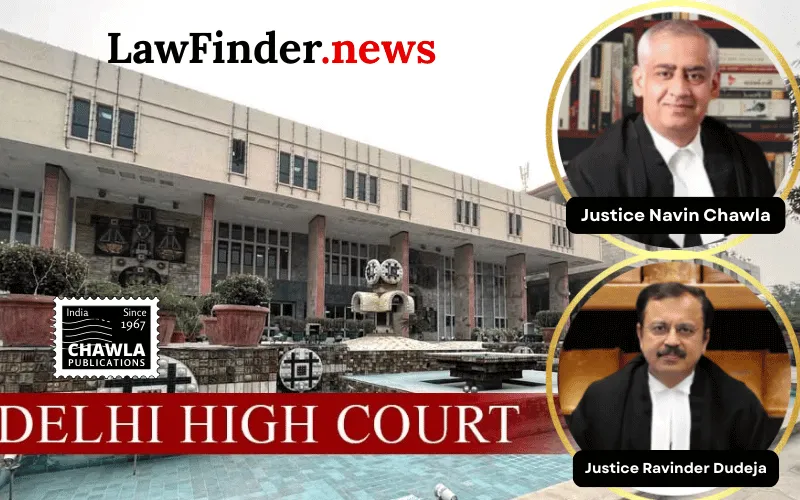
In a significant ruling, the Delhi High Court has found Mr. Gulshan Pahuja guilty of criminal contempt for uploading derogatory videos and banners against judicial officers on his YouTube channel "Fight 4 Judicial Reforms." The court emphasized that while criticism aimed at improving the judicial system is permissible, personal attacks without evidence undermine the judiciary's authority and amount to contempt.
The contempt petitions arose from references made by Ms. Charu Asiwal and Mr. Ajay Singh Parihar, judicial officers who were subjects of the contentious videos. The court noted that Mr. Pahuja's campaign for audio-video recording of court proceedings is not objectionable in itself and could generate healthy debate. However, his specific allegations against individual judges without verification or evidence were deemed malicious and scandalous.
Respondent Shiv Narayan Sharma, who appeared in one of the videos, tendered an unconditional apology accepted by the court, leading to the dropping of contempt proceedings against him. Similarly, Deepak Singh, another respondent, was discharged after a genuine apology.
The court's judgment underscored the importance of fair and temperate criticism, stating that attacks on judicial integrity must be backed by cogent evidence. Unfounded allegations, the court held, could lower the judiciary's authority, interfere with justice, and are not protected under Article 19(1)(a) of the Constitution concerning freedom of speech.
The court rejected Mr. Pahuja's defense that his actions were in public interest, determining them to be mala fide. The judgment also referenced several precedents, emphasizing that contempt powers should be exercised with restraint, but must protect the judiciary from unfounded attacks.
Mr. Pahuja has been given two weeks to submit his arguments on the punishment, with the court scheduling further proceedings for May 12, 2026. The judgment, translated into Hindi, will be provided to Mr. Pahuja to ensure comprehension.
Bottom Line:
Contempt of Courts Act, 1971 - Criticism of judiciary is permissible if made fairly, in good faith, and without imputing improper motives; however, malicious and scandalous attacks intended to lower the authority or dignity of courts constitute criminal contempt.
Statutory provision(s):
Contempt of Courts Act, 1971 Sections 2(c), 12, 13; Constitution of India, 1950 Article 19(1)(a)
Court On Its Own Motion v. Shiv Narayan Sharma Advocate, (Delhi)(DB) : Law Finder Doc id # 2886415