Court directs CBFC to address concerns over portrayal of Late Major Mohit Sharma in "Dhurandhar"
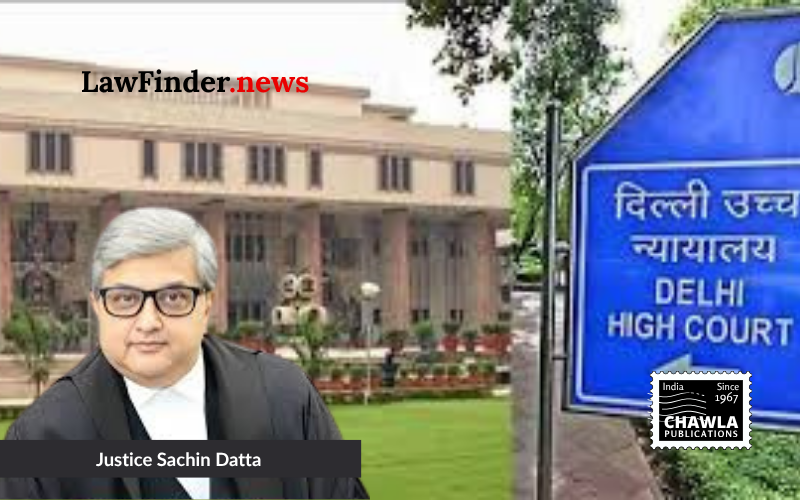
In a significant judgment delivered by the Delhi High Court on December 1, 2025, Justice Sachin Datta ruled in favor of the petition filed by the parents of Late Major Mohit Sharma, a decorated war hero awarded the Ashok Chakra posthumously. The petitioners objected to the impending release of the feature film "Dhurandhar," alleging it was based on their son's life without their consent or consultation. The court directed the Central Board of Film Certification (CBFC) to consider these concerns before granting the film a release certification.
The case, titled Sushila Sharma v. Union Of India, brought into focus the ethical and legal considerations involved in representing the lives of martyrs in feature films. The petitioners argued that the film was being promoted as a depiction of Major Mohit Sharma's life, persona, operations, and martyrdom, which they claimed was done without any prior authorization from them.
Representing the film's director, screenwriter, and co-producer, the respondents contested the petitioners' claims, asserting that "Dhurandhar" is purely a work of fiction inspired by true events, but not connected to Major Sharma's life. Despite these assurances, the court found merit in the petitioners' concerns, noting the importance of sensitivity and respect in such representations.
Justice Datta issued directives to the CBFC, instructing them to thoroughly examine the objections raised by the petitioners. The judgment emphasized that the CBFC should not only consider the petitioners' concerns but, if deemed necessary, consult with the Indian Army to ensure the portrayal respects the memory and service of Late Major Mohit Sharma.
The court's decision underscores the growing scrutiny over how the lives of military personnel are depicted in media and entertainment, balancing creative expression with respect for personal and national sentiments. The judgment calls for a careful review process to prevent unauthorized depictions that may misrepresent or exploit the legacy of national heroes.
The CBFC has been tasked with completing this review expeditiously, ensuring the film's content aligns with ethical standards before any certification is granted. This decision is poised to set a precedent for how films inspired by real-life military events are handled, particularly in cases involving decorated personnel.
The judgment reflects a nuanced approach to the intersection of film, law, and the rights of individuals and families connected to national service. The petitioners' legal team, led by Mr. Roopenshu Pratap Singh, expressed satisfaction with the court's directives, highlighting the importance of family consultation in such sensitive matters. Meanwhile, legal representatives for the film's production team, including Senior Advocate Mr. Saurabh Kirpal, maintained that the narrative is fictional, and they would comply with the court's decision.
As the CBFC undertakes this critical review process, the film industry and audiences alike await the outcome, which will likely influence future productions involving true events and personalities from India's defense forces.
Statutory provision(s): Central Board of Film Certification guidelines, consultation with family of deceased, portrayal of real-life events in media.
Sushila Sharma v. Union Of India, (Delhi) : Law Finder Doc Id # 2816031