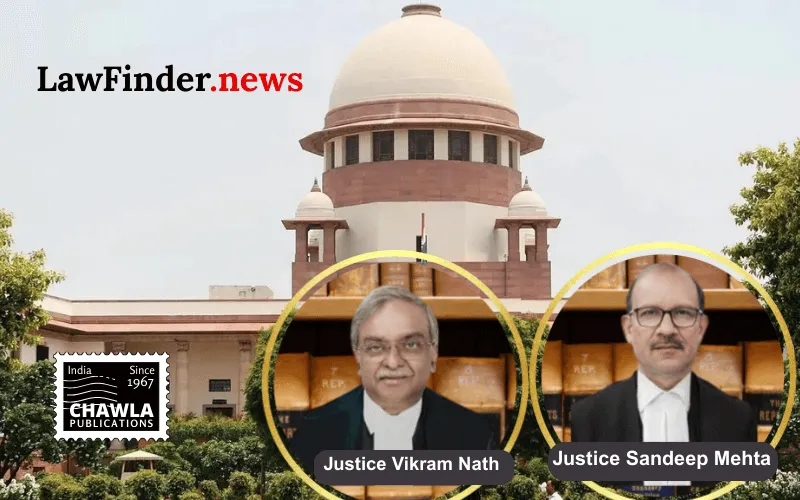
Upholds Supreme Court's Principles on Equal Participation and Impartiality in Arbitration
In a significant ruling, the Delhi High Court has directed the appointment of a neutral arbitrator in the ongoing dispute between Meghalaya Hotels Private Limited and Indian Railway Catering And Tourism Corporation Limited (IRCTC). The court emphasized adherence to the principles of equal participation and impartiality, as outlined in the Arbitration and Conciliation Act, 1996, and reiterated by the Supreme Court.
The dispute arose from a contract for the construction, operation, and maintenance of an IRCTC Budget Hotel in Lucknow. The crux of the disagreement centered around the arbitration clause, which mandated that the petitioner, Meghalaya Hotels, select arbitrators from a panel curated by IRCTC, a practice deemed contrary to established legal principles.
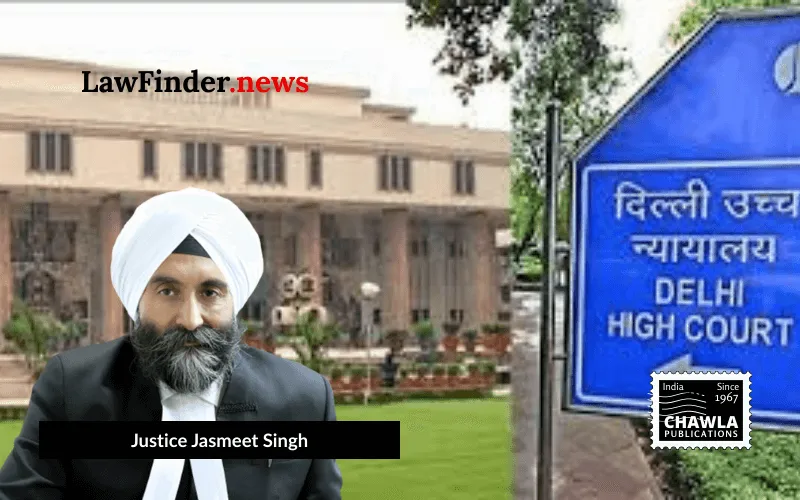
Justice Jasmeet Singh, presiding over the case, highlighted the Supreme Court's decision in Central Organisation for Railway Electrification v. ECI SPIC SMO MCML (JV), asserting that Public Sector Undertakings (PSUs) cannot compel the other party to appoint arbitrators from their curated panel, as it violates the principle of equal treatment under Section 18 of the 1996 Act and raises concerns of partiality.
Despite IRCTC’s insistence on following the arbitration clause, the petitioner invoked arbitration, citing the Supreme Court’s ruling and proposed its own nominee arbitrator. IRCTC responded with a list of retired Indian Railway Accounts Services officers, urging the petitioner to select from them, a move the court found to be in direct violation of the Supreme Court’s directive.
In a move to ensure fairness, the Delhi High Court appointed Mr. Sanjeev Jain, a retired Principal Judge of Family Courts, as the sole arbitrator to adjudicate the dispute. The arbitration will be conducted under the rules of the Delhi International Arbitration Centre (DIAC), ensuring impartial proceedings.
Justice Singh also demanded an explanation from Mr. Vinay Kumar Pathak, GGM/Infrastructure of IRCTC, for persisting with the outdated practice despite clear legal precedents, insisting on an affidavit detailing the rationale behind the decision.
This ruling underscores the judiciary's commitment to upholding fair arbitration practices and signals a shift towards more balanced and unbiased resolution mechanisms in disputes involving PSUs.
Bottom Line:
Public Sector Undertakings (PSUs) cannot mandate the other party to appoint its nominee arbitrator from the panel curated by the PSUs, as it contravenes the principles of equal participation and impartiality under the Arbitration and Conciliation Act, 1996.
Statutory provision(s): Arbitration and Conciliation Act, 1996 Sections 11, 12, 18