Court Directs Action Against Vulgar and Misogynistic Content; Emphasizes Standards of Decency in Society
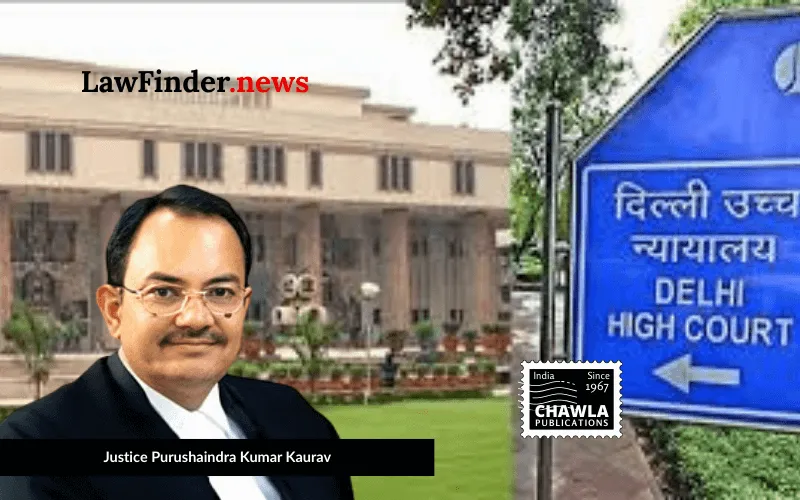
In a significant judgment aimed at curbing the dissemination of obscene and misogynistic content on digital platforms, the Delhi High Court has directed the immediate removal of URLs containing a controversial song deemed vulgar and derogatory towards women. The judgment, delivered by Justice Purushaindra Kumar Kaurav, stressed the importance of maintaining civility and decency in a constitutional society and highlighted the penal provisions applicable under the Bharatiya Nyaya Sanhita, 2023.
The case, titled Hindu Shakti Dal v. Union of India, centered around a song by artists purportedly associated with the group 'Mafia Mundeer', which had gained notoriety for its offensive lyrics. Despite the artists' denial of authorship, the court was moved to act after reports of the song being performed at a recent concert, further fueling public outrage.
The petitioners sought the court's intervention for the removal of the song from platforms like YouTube and Spotify and called for enforcement of the existing statutory framework under the Information Technology Act, 2000, and its accompanying rules. The court found the song to be "grossly vulgar, patently obscene, deeply derogatory towards women, and wholly bereft of any redeeming artistic, literary or social value."
Emphasizing that such content cannot be justified under the guise of artistic freedom or freedom of speech, the court issued interim directions for the immediate blocking of identified URLs. The court also granted the petitioners the liberty to report additional URLs to the authorities for swift action.
In its order, the court noted that the song prima facie violated Sections 79(1) and 296(2) of the Bharatiya Nyaya Sanhita, 2023, which pertain to insulting the modesty of women and obscene acts or songs, respectively. The court underscored the duty of a constitutional court to protect the dignity of citizens and uphold the rule of law.
The judgment sends a strong message about the obligations of digital platforms to adhere to community standards and the legal framework designed to protect societal values. The next hearing on the matter is scheduled for May 7, 2026, with notices issued to the artists involved for further examination of their roles in the controversy.
Bottom Line:
Dissemination of obscene and misogynistic content on digital platforms is against the standards of civility and decency expected in a constitutional society, and such content may attract penal provisions under the Bharatiya Nyaya Sanhita, 2023.
Statutory provision(s): Information Technology Act, 2000, Information Technology (Intermediary Guidelines and Digital Media Ethics Code) Rules, 2021, Bharatiya Nyaya Sanhita, 2023 Sections 79(1), 296(2)
Hindu Shakti Dal v. Union of India, (Delhi) : Law Finder Doc id # 2876871