The probate of a contested will is granted after addressing alleged suspicious circumstances, affirming its genuineness.
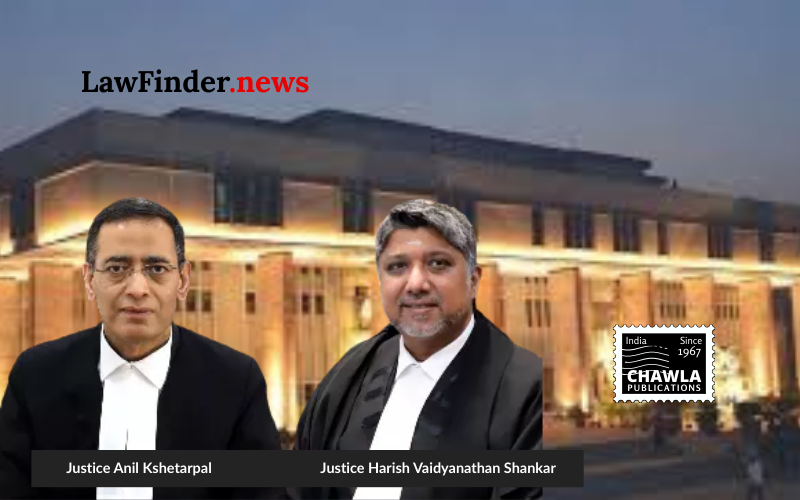
The Delhi High Court has overturned a previous ruling by a Single Judge, granting probate to a contested will initially denied due to perceived suspicious circumstances. The appellate bench, consisting of Mr. Anil Kshetarpal and Mr. Harish Vaidyanathan Shankar, meticulously examined the evidence and legal standards to conclude that the will executed by Late Praveen Malhotra in favor of Ms. Shalini Asha Chopra is valid.
In the case titled "Vikram Chopra v. State," the appellant, Mr. Vikram Chopra, son of the will's beneficiary and executor of the will, challenged the lower court's decision. The Single Judge had cited sixteen suspicious circumstances in refusing probate, including alleged undue influence and questions about the testator's mental capacity.
The High Court's analysis focused on the legal requirements under the Indian Succession Act, 1925, and the Indian Evidence Act, 1872. The court emphasized that once the due execution of a will is proven, the burden shifts to the objectors to establish undue influence or lack of testamentary capacity. The appellate court found that the objectors failed to substantiate their claims with concrete evidence.
The bench scrutinized the relationship between the testator and the Chopra family, noting a long-standing association that began in 1980. This relationship provided context for the testator's decision to bequeath his properties to Ms. Chopra, countering the respondents' arguments that she was a mere stranger to the family. The court also highlighted the absence of any substantial evidence of undue influence or coercion at the time of the will's execution.
Addressing the medical concerns raised about the testator's mental state, the court pointed to medical records indicating no neurological deficits post-accident. Moreover, the court dismissed the allegations of chronic alcoholism as unsubstantiated.
In its decision, the High Court reiterated the legal principle that mere benefit to a non-relative or disinheritance of natural heirs does not inherently invalidate a will. The court affirmed that the will was executed in a sound state of mind, with the requisite legal formalities duly observed.
The judgment underscores the judiciary's role in upholding the sanctity of testamentary freedom while ensuring that claims of undue influence and coercion are supported by substantive evidence. The Delhi High Court's ruling reaffirms the importance of adhering to legal standards in probate matters, providing clarity on the evidentiary burden required to challenge a will's validity.
Bottom Line:
The probate of a will cannot be denied merely on speculative suspicions; the propounder must prove due execution and attestation, while the objectors must substantiate claims of undue influence, coercion, or lack of testamentary capacity.
Statutory provision(s): Indian Succession Act, 1925 Section 63, Indian Evidence Act, 1872 Section 68
Vikram Chopra v. State, (Delhi)(DB) : Law Finder Doc Id # 2811811