The High Court ruled that the absence of a journey ticket is not conclusive in negating bona fide passenger status if supporting evidence exists.
In a landmark decision, the Delhi High Court has set aside the judgment of the Railway Claims Tribunal, which had dismissed a compensation claim related to the death of a passenger who fell from a train. The case, involving the death of Sonu @ Suraj Chopra, was brought to the court by his mother, Sunita, who alleged that the deceased was a bona fide passenger who died due to an untoward incident, as defined under the Railways Act, 1989.
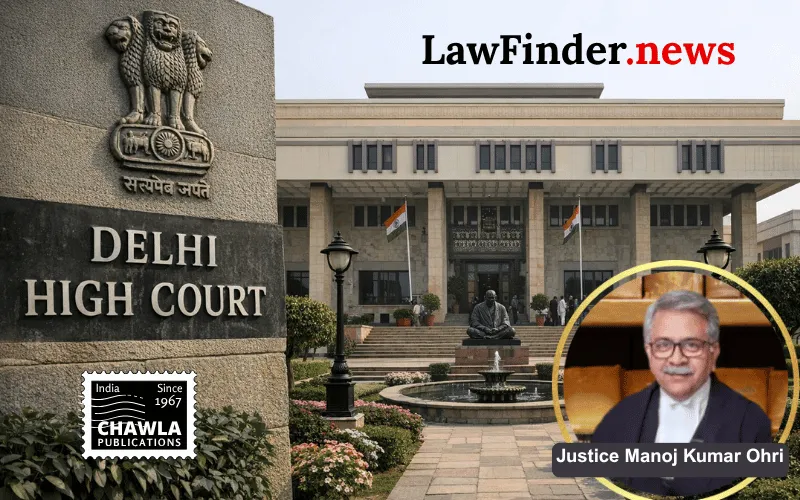
Presiding over the case, Justice Manoj Kumar Ohri highlighted significant errors in the Tribunal's judgment. The Tribunal had denied the compensation claim on the grounds that the deceased was not a bona fide passenger due to the absence of a recovered journey ticket. The High Court, however, emphasized that the lack of a ticket alone cannot negate bona fide travel if corroborative evidence, such as affidavits and contemporaneous records, supports the claim.
Justice Ohri noted that the earliest police records and affidavits from witnesses corroborated the claim that Sonu fell from the train due to overcrowding. The court criticized the Tribunal for relying on discrepancies related to ticket production and witness presence, which the High Court deemed inconsequential given the established occurrence of the fall from the train.
The court further referenced the precedent set in Union of India v. Rina Devi (2019), reiterating that the absence of a ticket does not preclude the presumption of bona fide travel if the claimant provides initial evidence. In this case, the affidavits of Sonu's brother and friend, who were traveling with him, were sufficient to establish the claim, as they testified that the tickets were purchased and were lost during the incident.
The Delhi High Court has remanded the case back to the Tribunal, directing it to determine the appropriate compensation in accordance with the law. The Tribunal is expected to conclude this reassessment within two months from the receipt of the court's order.
The appeal, which was pursued by the legal representatives of Sunita following her demise, has been allowed, and the High Court's decision underscores the importance of evaluating the totality of evidence in claims related to untoward incidents under the Railways Act.
Bottom Line:
Railway Claims Tribunal Act, 1987 - Bona fide passenger and untoward incident - Death due to accidental fall from a train - Absence of journey ticket cannot be treated as conclusive evidence for rejecting the claim when corroborative evidence supports the case of bona fide travel.
Statutory provision(s): Railways Claims Tribunal Act, 1987 Section 23, Railways Act, 1989 Section 124A, Evidence Act, 1872
Sunita v. Union of India, (Delhi) : Law Finder Doc id # 2878708