Statements Made in Judicial Proceedings and Police Complaints Deemed Protected Under Exceptions to IPC Section 499
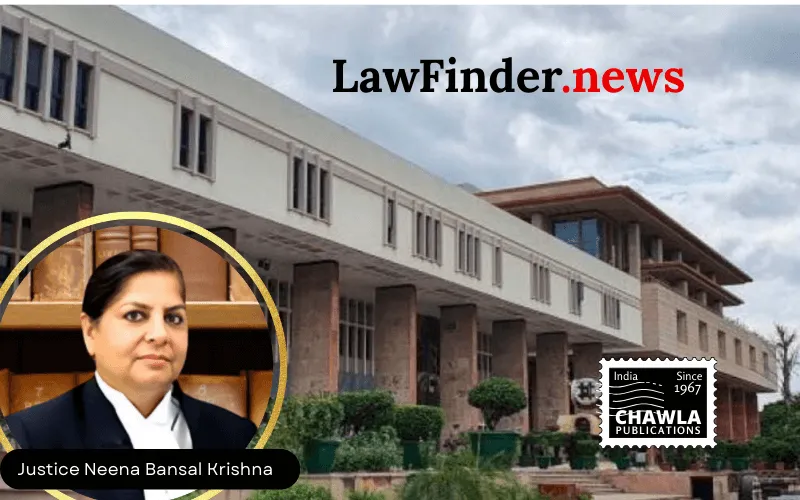
In a significant ruling, the Delhi High Court has quashed a defamation complaint against Harkirat Singh Sodhi, stemming from a dispute over family property. The court, presided over by Ms. Neena Bansal Krishna, J., examined the complaint filed by Ravinder Singh Gandoak, who alleged that Sodhi made defamatory statements in police complaints and judicial proceedings. These statements were purportedly intended to harm Gandoak's reputation.
The case, rooted in a protracted family feud over the inheritance of property following the death of Sardarni Surinder Kaur Sodhi, involved multiple legal proceedings. Sodhi had filed for probate of a 1987 Will, while Gandoak's wife, Amita, contested it with an unregistered 2004 Will. The defamation complaint revolved around allegations that Sodhi made defamatory statements concerning Gandoak's alleged involvement in forgery and other misconduct related to property disputes.
The court emphasized the principles of good faith and public interest, noting that statements made in judicial proceedings are protected under exceptions to Section 499 of the Indian Penal Code (IPC) if made in good faith for protecting an individual's interest or for public good. The court found no prima facie case of defamation, highlighting the absence of malice or falsehood in Sodhi's statements, which were primarily contestations in ongoing legal disputes.
Furthermore, the court addressed the issue of an anonymous letter allegedly circulated in a residential association, which contained defamatory remarks about Gandoak. The court found no evidence linking Sodhi to the authorship or circulation of the letter, thus dismissing this claim as well.
In its judgment, the court reiterated the necessity of preventing frivolous litigation and unnecessary trials, thereby safeguarding individuals from unwarranted legal harassment. The ruling underscores the importance of balancing free speech, especially in legal contexts, with the protection of individuals' reputations.
This decision is expected to have broader implications for how defamation claims are addressed in the context of judicial and police proceedings, reinforcing the need for concrete evidence of malice and falsehood in such cases.
Bottom Line:
Defamation - Averments made in pleadings or judicial proceedings do not amount to defamation unless proven to be false, malicious, and intended to harm reputation - Statements in judicial proceedings are protected under exceptions to Section 499 IPC if made in good faith and for protection of the person's interest or for public good.
Statutory provision(s): Indian Penal Code, 1860 Sections 499 and 500, Criminal Procedure Code, 1973 Section 482
Harkirat Singh Sodhi v. State of NCT of Delhi, (Delhi) : Law Finder Doc Id # 2842091