Court Rules in Favor of Journalist, Citing Lack of Malice, Intent, and Time-Barred Complaint in Defamation Case
In a significant judgment, the Delhi High Court has quashed a defamation complaint against journalist Nilanjana Bhowmick, highlighting the critical balance between the right to free speech and the protection of individual reputation. The complaint, filed by human rights activist Ravi Nair, alleged defamation stemming from an article published in 2010 which implied financial misconduct by Nair and his NGO, the South Asia Human Rights Documentation Centre.
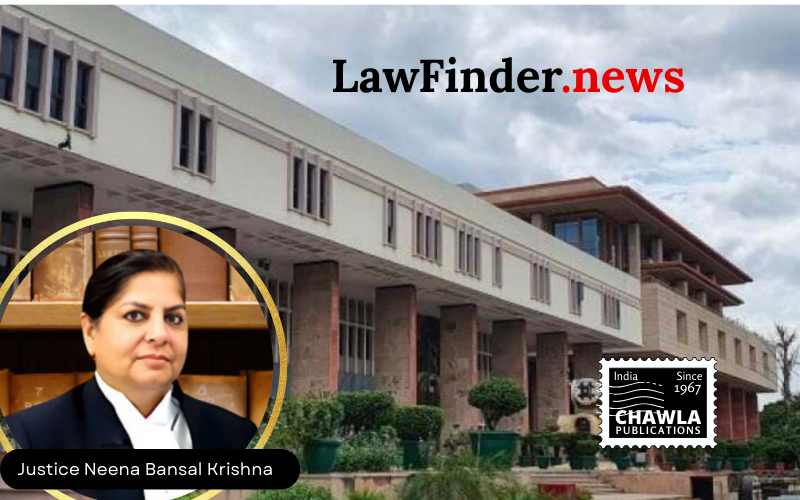
The court, presided over by Justice Neena Bansal Krishna, emphasized that the article in question was based on factual reporting and lacked any malice or wrongful intention to harm Nair's reputation. It was determined that the reporting did not constitute defamation as it was factual, even if the content was non-palatable to the complainant. The judgment reiterated the necessity for journalists to report comprehensively and truthfully, underscoring the importance of press freedom in a democratic society.
Moreover, the court noted that the complaint was barred by limitation, as it was filed nearly four years after the article's publication, beyond the permissible period under the Criminal Procedure Code. The court applied the Single Publication Rule, which dictates that the limitation period begins at the first instance of publication, rather than with each access or view of the content online.
Justice Krishna also pointed out that the essential elements for establishing defamation, such as malice and a lowering of reputation in the public eye, were not sufficiently demonstrated by the complainant. The ruling highlighted that mere personal feelings of defamation were insufficient without evidence of public harm to reputation.
The court concluded that the defamation complaint lacked the necessary legal grounds and was procedurally flawed, leading to the discharge of Nilanjana Bhowmick from the proceedings. This decision is seen as a reinforcement of the legal protections afforded to journalistic endeavors that are conducted in good faith and based on verified facts.
Bottom Line:
Defamation - Reporting by journalists based on facts or public records without malice or wrongful intention cannot be considered defamatory, especially when no lowering of reputation in public estimation is established.
Statutory provision(s): Indian Penal Code, 1860 Sections 499, 500; Criminal Procedure Code, 1973 Sections 202, 468, 482
Ms. Nilanjana Bhowmick v. Ravi Nair, (Delhi) : Law Finder Doc Id # 2814139