Court finds refusal of divisional patent application unsustainable, citing lack of analysis and reasoned decision-making by the Patent Office.
In a significant ruling, the Delhi High Court has quashed the decision of the Deputy Controller of Patents Designs, which had refused AbbVie Ireland Unlimited Company's divisional patent application. The court found the Patent Office's order to be non-speaking and lacking in detailed analysis of the submissions made by AbbVie, a leading pharmaceutical company. The matter has been remanded for fresh consideration.
The case revolved around AbbVie's divisional patent application concerning a process for preparing an intermediate compound used in pharmaceuticals. The application was initially rejected by the Patent Office on two grounds: maintainability under Section 16 of the Patents Act, 1970, and lack of inventive step under Section 2(1)(ja). The Patent Office argued that the claims of the divisional application were already granted in the parent application and lacked novelty over prior arts.
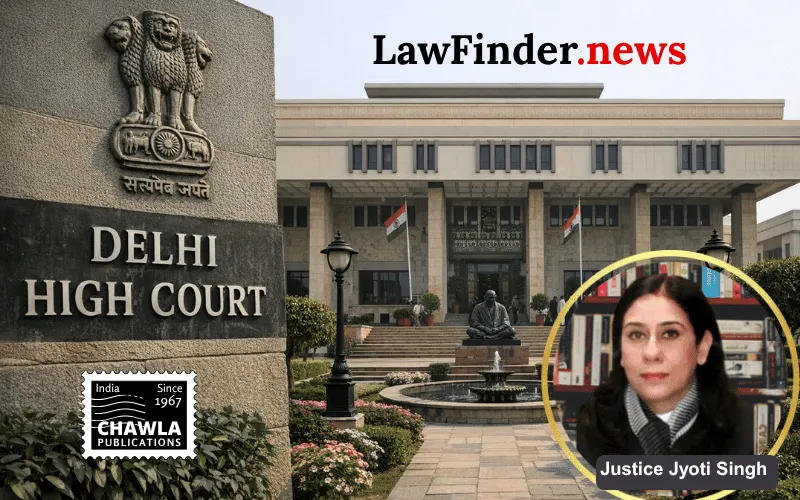
Justice Jyoti Singh, presiding over the matter, found that the Patent Office's order did not address the detailed distinctions pointed out by AbbVie between the divisional application's claims and those of the parent application. Moreover, the court noted that the refusal failed to analyze the inventive step concerning prior art documents, which is a critical requirement before rejecting a patent application.
The court emphasized the importance of a reasoned order in patent matters, highlighting that denying a patent can have significant repercussions, including the potential loss of valuable inventions detrimental to public interest. Justice Singh directed the Patent Office to reconsider the application, ensuring that all submissions by AbbVie are duly considered and a reasoned decision is rendered.
This decision underscores the judiciary's role in ensuring fairness and transparency in patent adjudications, particularly when addressing complex technical and legal issues. The court has given the Patent Office four months to re-evaluate AbbVie's application, with directions to provide a reasoned order that addresses all points raised by the applicant.
The order is seen as a win for AbbVie, reinforcing the company's rights to have its claims fairly assessed and adjudicated. It also serves as a reminder of the due diligence required by patent authorities in their decision-making processes.
Bottom line:-
Patent Law - Rejection of divisional application under Section 16 of the Patents Act, 1970 and lack of inventive step under Section 2(1)(ja) - Order quashed due to non-speaking nature and failure to consider detailed submissions; matter remanded for fresh consideration.
Statutory provision(s):
Patents Act, 1970 Sections 16, 2(1)(ja), 117(A); Delhi High Court Intellectual Property Rights Division Rules, 2022; Section 151 CPC.