Sunil Kumar's appeal against Rajeev Suri dismissed over lack of credible explanation for filing and re-filing delays, emphasizing stringent adherence to limitation laws.
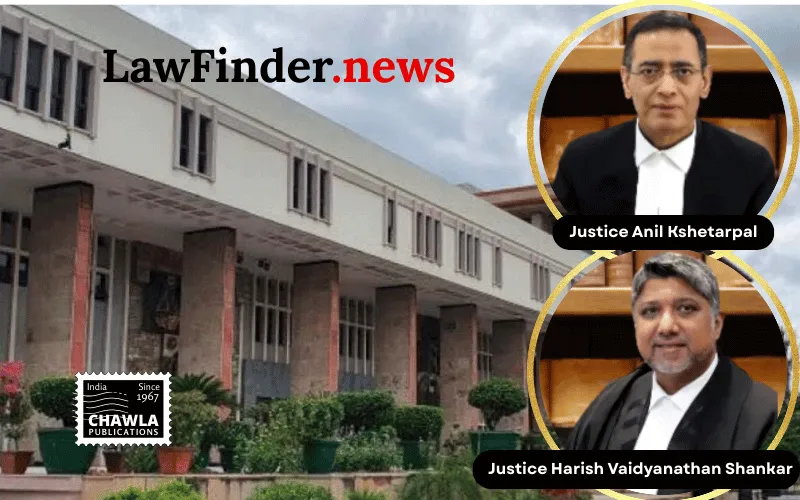
In a significant ruling, the Delhi High Court has dismissed an appeal filed by Sunil Kumar against Rajeev Suri, highlighting the importance of adhering to statutory limitation periods. The Division Bench, comprising Justices Anil Kshetarpal and Harish Vaidyanathan, heard the case, ultimately rejecting the appellant's plea for condonation of an extraordinary delay of 1883 days in filing the appeal and 182 days in re-filing it.
Sunil Kumar's appeal challenged a judgment dated January 20, 2020, which partially decreed in favor of the appellant, awarding him Rs. 20,00,000 but denied specific performance relief. The appeal was filed on April 16, 2025, and re-filed on November 15, 2025, prompting applications under Section 5 of the Limitation Act, 1963, for condoning the delays.
The appellant's counsel argued that the COVID-19 pandemic, coupled with medical issues like loss of vision and Hepatitis C, impeded timely filing. However, the court found these explanations lacking in credibility and evidence. The court noted discrepancies in the appellant’s claims about medical treatments, alongside an apparent lackadaisical approach, evidenced by multiple defects in the appeal not promptly addressed.
The bench emphasized that condoning such a significant delay without a cogent explanation would contravene the principles of justice, potentially prejudicing the opposing party. The judgment underscores the necessity for a 'liberal approach' to be balanced with the requirement for a reasonable and credible explanation.
This ruling serves as a reminder of the judiciary's adherence to statutory limits, reinforcing the principle that delays cannot be excused solely on the basis of purported medical issues without substantial evidence. It also reiterates the courts' discretion in exercising leniency, stressing that substantial justice should not eclipse procedural diligence.
Bottom Line:
Application for condonation of delay in filing and re-filing appeals must demonstrate sufficient cause and bona fide explanations for the delays; lack of cogent evidence or explanation renders such applications liable for rejection.
Statutory provision(s): Limitation Act, 1963 Section 5; Delhi High Court Act, 1966 Section 10; Civil Procedure Code, 1908 Section 96, Order XLI; Article 117 of the Limitation Act; Supreme Court directives on COVID-19 limitation extensions.
Sunil Kumar v. Rajeev Suri, (Delhi)(DB) : Law Finder Doc Id # 2826996