Court mandates reconsideration of application ensuring compliance with principles of natural justice
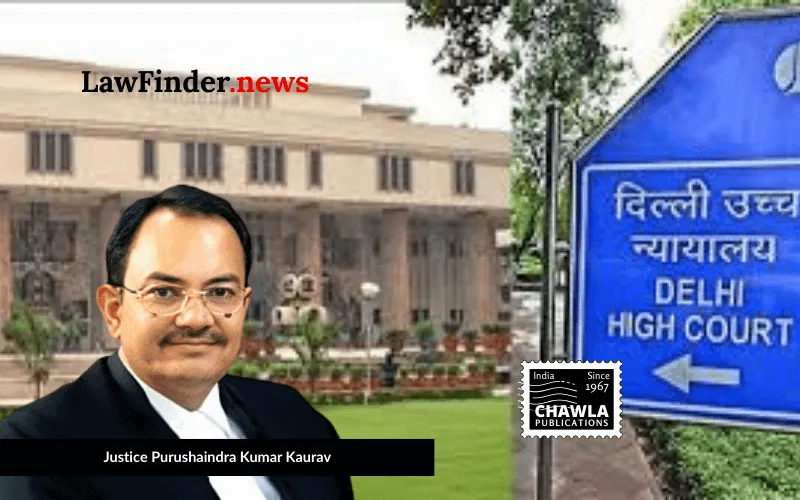
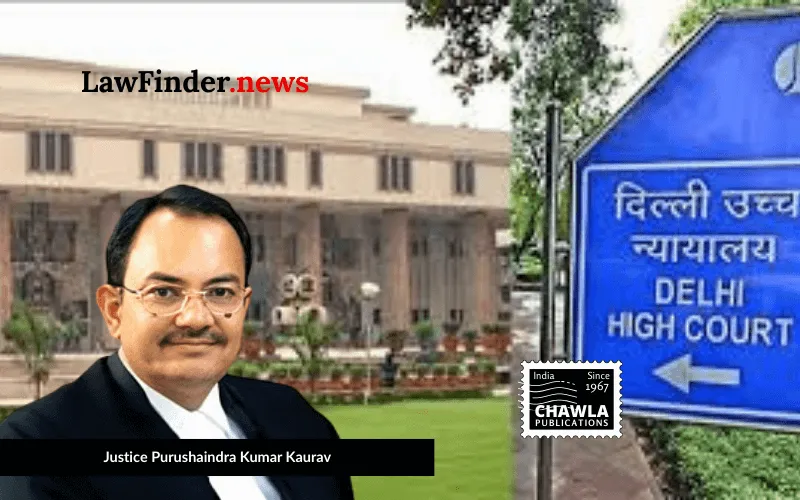
In a significant ruling, the Delhi High Court has set aside the denial of a PIO (Person of Indian Origin) to OCI (Overseas Citizen of India) conversion application submitted by Siddharth Varadarajan, citing the absence of reasons in the impugned communication as indefensible and unsustainable. The judgment was delivered by Justice Purushaindra Kumar Kaurav, emphasizing the necessity of reasoned orders from quasi-judicial authorities affecting individual rights.
The petitioner, Siddharth Varadarajan, had challenged the rejection dated April 2, 2026, communicated regarding his conversion application. The court noted that the denial lacked any assigned reasons, making it difficult for appellate courts to assess the validity and veracity of such orders.
The court reiterated a fundamental principle underscored by the Supreme Court in the case of Victoria Memorial Hall v. Howrah Ganatantrik Nagrik Samity (2010) 3 SCC 732, which highlights the importance of reasons as the "heartbeat of every conclusion." Justice Kaurav emphasized that the absence of reasons undermines the defensibility and sustainability of an order, mandating that such orders must be accompanied by detailed reasoning.
Consequently, the Delhi High Court has set aside the impugned communication, restoring Varadarajan's application for reconsideration in accordance with law. The respondent has been directed to reassess the application, ensuring that appropriate reasons are provided based on the facts and circumstances available.
Varadarajan's petition also sought interim relief to enable international travel and re-entry into India using his existing PIO status, highlighting concerns over travel and residence rights. While the court has disposed of the main petition, it has allowed Varadarajan the liberty to pursue further legal recourse should his grievances remain unresolved after reconsideration.
The court's decision underscores the importance of transparency and accountability in administrative processes, particularly those affecting individual rights. By affirming the necessity for reasoned orders, the judgment seeks to uphold the principles of natural justice and enhance the credibility of quasi-judicial decisions.
The case is set to be heard again on May 13, 2026, with Varadarajan granted permission to submit additional documents in support of his application.
Bottom Line:
Orders passed by quasi-judicial authorities affecting the rights of parties must be accompanied by reasons; absence of reasons renders an order indefensible and unsustainable.
Statutory provision(s): Citizenship Act, 1955 Section 7A(2)
Siddharth Varadarajan v. Union of India, (Delhi) : Law Finder Doc id # 2897303