Court Recognizes "Exceptional Hardship" in Shahbaz Khan v. Komal Shresth, Allows Immediate Divorce Proceedings
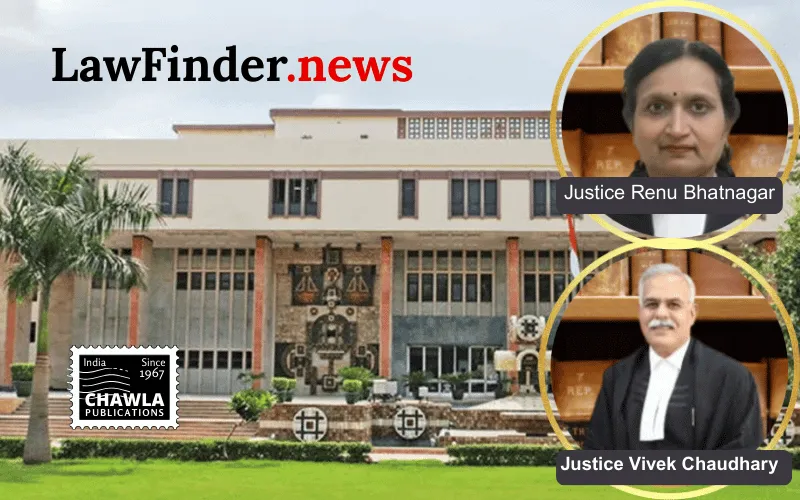
In a landmark judgment delivered by the Delhi High Court on May 29, 2026, the bench comprising Mr. Vivek Chaudhary and Ms. Renu Bhatnagar exercised discretionary powers to waive the statutory waiting periods for divorce under the Special Marriage Act, 1954. This decision comes in the case of Shahbaz Khan v. Komal Shresth, where the court acknowledged "exceptional hardship" due to severe familial and social distress.
The case involved Shahbaz Khan and Komal Shresth, who solemnized their marriage on August 25, 2025, under the Special Marriage Act. However, the marriage faced immediate challenges when Khan's family severed ties upon discovering the union, leading to severe health issues for his father. Simultaneously, Shresth was compelled to hide her marital status from her family, fearing similar repercussions.
The marriage, which lacked cohabitation, consummation, or familial acceptance, prompted Khan to file for divorce by mutual consent, requesting the waiver of the statutory one-year waiting period post-marriage and the six-month cooling-off period. The Family Court initially dismissed this petition, citing lack of "exceptional hardship," a decision that was subsequently challenged in the High Court.
Upon reviewing the case, the High Court recognized the severe social and psychological distress faced by both parties, deeming it sufficient to constitute "exceptional hardship." The court emphasized that prolonging the statutory waiting period would serve no meaningful purpose, as the marriage was merely notional without any real substance or familial recognition.
Drawing parallels with the Hindu Marriage Act, 1955, the court applied similar principles, referencing precedents like Amardeep Singh v. Harveen Kaur and Shiksha Kumari v. Santosh Kumar, which acknowledged the discretionary power of courts to waive statutory periods in exceptional circumstances.
The judgment sets a significant precedent, highlighting the court's role in preventing prolonged hardship when the continuation of marriage only adds to the distress of the parties involved. The High Court's decision to set aside the Family Court's judgment and allow immediate proceedings for divorce by mutual consent underscores the judicial system's adaptability in addressing unique and compelling circumstances.
The case has been remanded back to the Family Court with instructions to expedite the divorce proceedings, reflecting the Delhi High Court's commitment to ensuring justice and alleviating undue distress for individuals trapped in untenable marital situations.
Bottom line:-
Special Marriage Act, 1954 - Exceptional hardship and discretion for waiving statutory waiting periods for divorce by mutual consent.
Statutory provision(s): Special Marriage Act, 1954 Sections 28(1), 28(2), 29
Shahbaz Khan v. Komal Shresth, (Delhi)(DB) : Law Finder Doc id # 2909897