Court rules that mere harassment for loan repayment does not constitute abetment of suicide without evidence of instigation or intent.
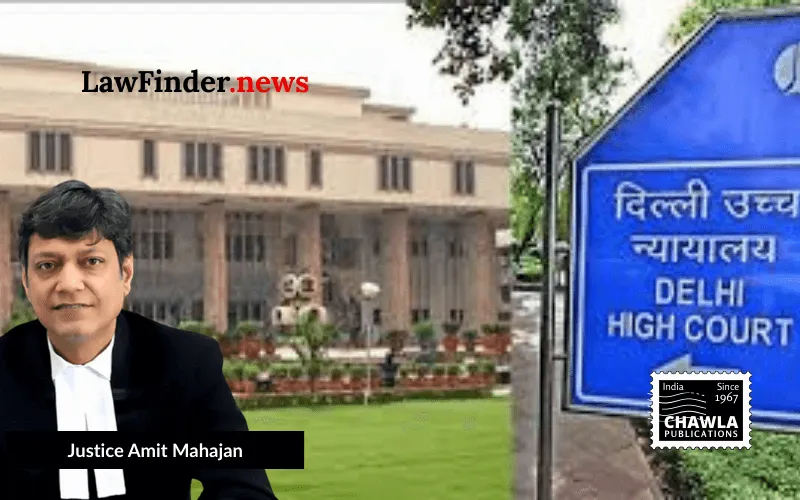
In a significant judgment, the Delhi High Court has upheld the discharge of two individuals accused of abetting the suicide of Vijender Singh, who ended his life in 2018 due to alleged harassment over loan repayment. The court, presided over by Justice Amit Mahajan, reiterated that mere harassment or demands for loan repayment, even with threats, do not amount to abetment of suicide unless there is active instigation or intent to incite the deceased to commit suicide.
The case stemmed from an incident on July 4, 2018, when Vijender Singh was found dead by hanging at his home. A suicide note recovered from his possession accused Dal Chand Yadav, one of the respondents, of harassment over a loan repayment. The note detailed that Singh had borrowed Rs. 1.5 lakhs, which had been inflated with interest demands, leading to persistent threats of imprisonment from Yadav.
Following Singh's death, an FIR was lodged on July 10, 2018, charging the accused under Sections 306, 506, and 34 of the IPC. However, the Additional Sessions Judge at Tis Hazari Courts discharged the respondents for the offence under Section 306, citing insufficient evidence of abetment, which led to the complainant's appeal to the High Court.
Justice Mahajan, in his analysis, emphasized the necessity of mens rea, or intent, in establishing abetment of suicide under Section 306 of the IPC. He pointed out that for a charge of abetment, it must be shown that the accused instigated, conspired, or actively aided the suicide. The court found that the persistent demands for loan repayment, while distressing, did not meet the threshold of instigation, especially in the absence of a direct act that left the deceased with no choice but to take his life.
The judgment also highlighted that the victim had legal avenues to address the alleged harassment, such as challenging the interest rates or the threats of imprisonment, rather than resorting to suicide. The court underscored that financial distress, while a contributing factor, does not equate to legal culpability for abetment without clear evidence of intent to provoke suicide.
This ruling reinforces the legal principle that the intent to abet suicide must be clear and unequivocal, cautioning against the misuse of Section 306 in situations where the actions of the accused, though morally questionable, do not legally amount to abetment.
The decision serves as a reminder of the judicial system's role in carefully balancing the allegations of harassment with the requirement of intent in cases of suicide abetment, ensuring that charges are not framed mechanically without sufficient grounds.
Bottom Line:
Section 306 IPC (Abetment of Suicide) - Mere harassment or pestering to repay a loan, even with threats, does not constitute abetment of suicide in the absence of active instigation or intent to incite the deceased to commit suicide.
Statutory provision(s):
- Indian Penal Code, 1860 - Section 306 (Abetment of Suicide)
- Indian Penal Code, 1860 - Section 107 (Abetment)
- Criminal Procedure Code, 1973 - Sections 227 and 228 (Framing of Charges)
Smt. Sunil v. State Govt of NCT Of Delhi, (Delhi) : Law Finder Doc id # 2853874