Court Finds Inquiry into Misconduct Charges Against Conductor Vitiated Due to Breaches of Natural Justice
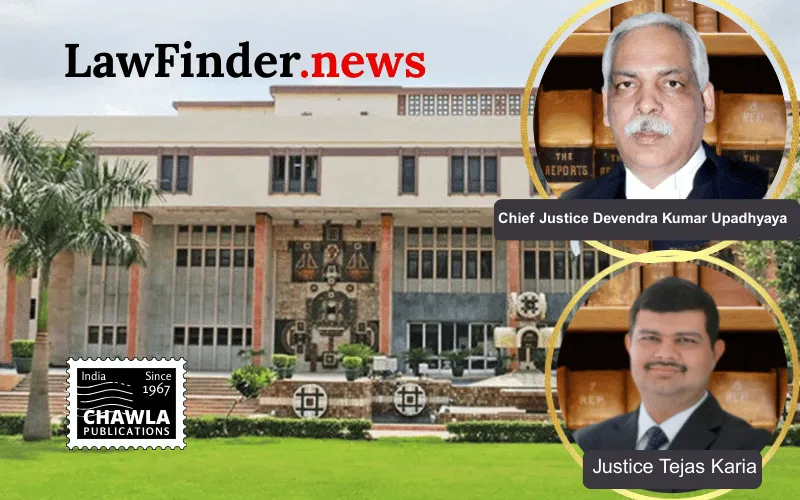
In a significant judgment, the Delhi High Court has upheld the reinstatement of a Delhi Transport Corporation (DTC) conductor, Ram Avtar Sharma, who was dismissed from service following charges of misconduct. The court, comprising Chief Justice Devendra Kumar Upadhyaya and Justice Tejas Karia, found that the disciplinary proceedings against Sharma were flawed due to multiple breaches of the principles of natural justice.
The case dates back to April 24, 1992, when a vigilance squad intercepted a DTC bus and found ten passengers traveling without tickets. The conductor, Sharma, allegedly admitted to not issuing tickets despite collecting fares and was found in possession of un-punched tickets. This led to his suspension and a subsequent inquiry that concluded with his dismissal in 1994.
Sharma challenged the dismissal in the Labour Court, which found the inquiry proceedings to be flawed and ordered his reinstatement, albeit without back wages, citing his unsatisfactory past record. The Delhi High Court upheld this decision after dismissing a writ petition filed by DTC.
The court highlighted several procedural lapses in the inquiry. Crucial documents like the Log Book and passenger statements were not provided to Sharma, and the inquiry officer failed to adequately inform him of his right to a defense assistant. Furthermore, the inquiry did not verify the cash in Sharma's possession, a critical step in substantiating the misconduct charge.
The judgment emphasized that disciplinary proceedings must adhere to the principles of fairness and natural justice, which were not observed in this case. The court also noted discrepancies in the testimonies of passengers and the absence of a cash check, which weakened the case against Sharma.
While the court upheld Sharma's reinstatement with continuity of service, it denied back wages due to his past record of similar lapses. The judgment reiterates the importance of conducting fair and just inquiries in disciplinary matters and sets a precedent for adherence to natural justice in such proceedings.
Bottom line:-
Principles of natural justice in disciplinary proceedings require adherence to fairness, including proper opportunity for defense, supply of relevant documents, and explanation of past records before imposing punishment. Non-compliance with these principles can vitiate the enquiry process.
Statutory provision(s):
- Industrial Disputes Act, 1947 Section 17B
Delhi Transport Corporation v. Ram Avtar Sharma, (Delhi)(DB) : Law Finder Doc id # 2905295