Court Denies Petition to Waive 30-Day Waiting Period Despite Personal Hardship
In a significant ruling, the Delhi High Court has reaffirmed the inviolability of the statutory waiting period mandated under the Special Marriage Act, 1954, denying a petition to curtail the 30-day notice period required for solemnization of marriage. The petition, filed by Syed Fayazuddin and another petitioner, sought an exemption from the waiting period due to personal exigency, specifically citing an urgent employment-related relocation abroad.
The petitioners had submitted a notice of intended marriage on May 11, 2026, under Sections 5 and 6 of the Special Marriage Act, with a marriage date scheduled for June 19, 2026. They requested that the marriage be solemnized before June 10, 2026, to accommodate petitioner No. 1's urgent employment joining date abroad.
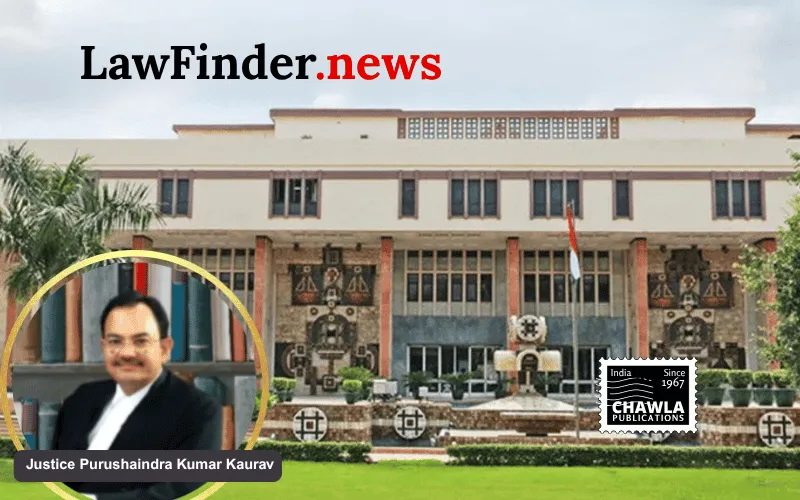
The Court, presided over by Justice Purushaindra Kumar Kaurav, emphasized that the statutory waiting period is not a mere procedural formality but a legislative mandate that courts cannot bypass. The judgment reiterated the principle that statutory compliance is paramount, quoting the legal maxim "dura lex sed lex" (the law is hard, but it is the law).
The petitioners had cited previous court decisions, including Pranav Kumar Mishra v. Govt. of NCT of Delhi and Safiya Sultana v. State of U.P., in support of their plea. However, the Court clarified that these cases did not address the specific issue of waiving the statutory waiting period.
The Court stressed that it could not direct statutory authorities to contravene express legislative provisions, as such action would violate the legislative framework and potentially lead to penal consequences. The decision underscores the judiciary's role in upholding statutory mandates and refraining from altering legislative intent based on individual circumstances.
The petition was dismissed on the grounds that personal hardship does not justify deviation from statutory requirements, reinforcing the principle that courts must administer the law as enacted by the legislature.
Bottom Line:
Statutory waiting period under Section 16 of the Special Marriage Act, 1954 cannot be curtailed or waived even on grounds of personal hardship or exigency.
Statutory provision(s): Special Marriage Act, 1954 - Sections 5, 6, 7, 16; Constitution of India - Article 226
Syed Fayazuddin v. Government of NCT of Delhi, (Delhi) : Law Finder Doc id # 2926164