Court emphasizes need for harmonious construction of the Protection of Women from Domestic Violence Act, 2005, and the Maintenance and Welfare of Parents and Senior Citizens Act, 2007.
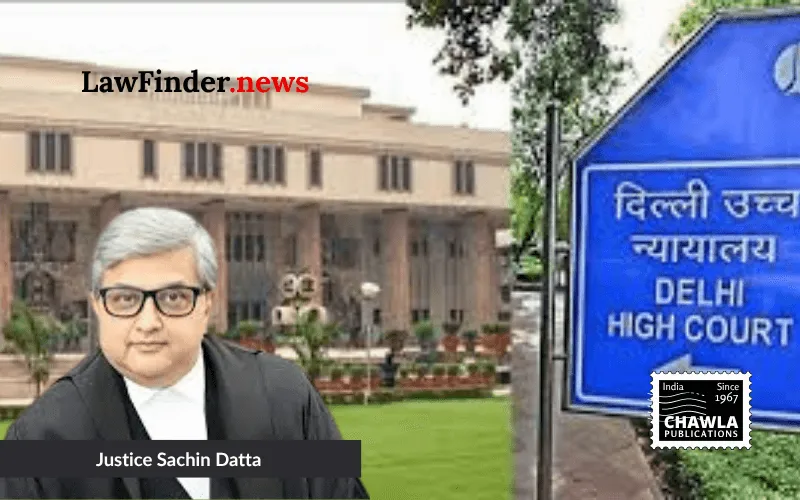
In a significant judgment passed on December 31, 2025, the Delhi High Court, presided over by Justice Sachin Datta, addressed the complex interplay between the Protection of Women from Domestic Violence Act, 2005 (PWDV Act) and the Maintenance and Welfare of Parents and Senior Citizens Act, 2007. The case, Rashmi @pooja Bahry v. Neena Bahry and Ors., revolved around the rights of women to reside in a shared household, juxtaposed with the rights of senior citizens seeking maintenance and protection.
The petitioner, Rashmi @pooja Bahry, challenged an eviction order dated April 5, 2025, by the District Magistrate (West), GNCTD, and upheld by the Appellate Authority (Divisional Commissioner, Department of Revenue, Govt. of NCT of Delhi). The petitioner contended that these orders threatened her right to reside in her matrimonial home, a right conferred under the PWDV Act.
The court's decision highlighted the necessity of harmonizing the two statutes, both of which are special laws designed to protect vulnerable groups. Justice Datta underscored that the provisions of the Senior Citizens Act, 2007 could not override the protections and rights granted under the PWDV Act, 2005. The ruling emphasized that reliefs under the Senior Citizens Act must consider the competing claims under the PWDV Act.
The court referred extensively to the Supreme Court's decision in S. Vanitha v. The Deputy Commissioner, which discussed the harmonious interpretation of statutes with non obstante clauses. The Delhi High Court reaffirmed that while both Acts contain overriding clauses, their dominant purposes must be analyzed to ensure neither statute's objective is nullified.
In the interim, the court maintained the status quo regarding the title and possession of the property in question, recognizing the subsisting interim protection granted under the PWDV Act. This decision effectively restrains respondents from entering the petitioner's residential space until further adjudication.
The case brings to light the delicate balance courts must maintain when interpreting laws that protect different vulnerable groups. The judgment reinforces the judiciary's role in ensuring that legislative intent is preserved while safeguarding individuals' rights in conflicting statutory frameworks.
The matter is scheduled for further hearing on February 3, 2026, with the court directing respondents to submit their replies within three weeks.
Bottom Line:
Protection of Women from Domestic Violence Act, 2005 - Harmonious construction with Maintenance and Welfare of Parents and Senior Citizens Act, 2007 - Scope of rights in shared household and remedies under conflicting legislations.
Statutory provision(s): Protection of Women from Domestic Violence Act, 2005 Sections 17, 26; Maintenance and Welfare of Parents and Senior Citizens Act, 2007 Section 3.
Rashmi @pooja Bahry v. Neena Bahry, (Delhi) : Law Finder Doc Id # 2833386